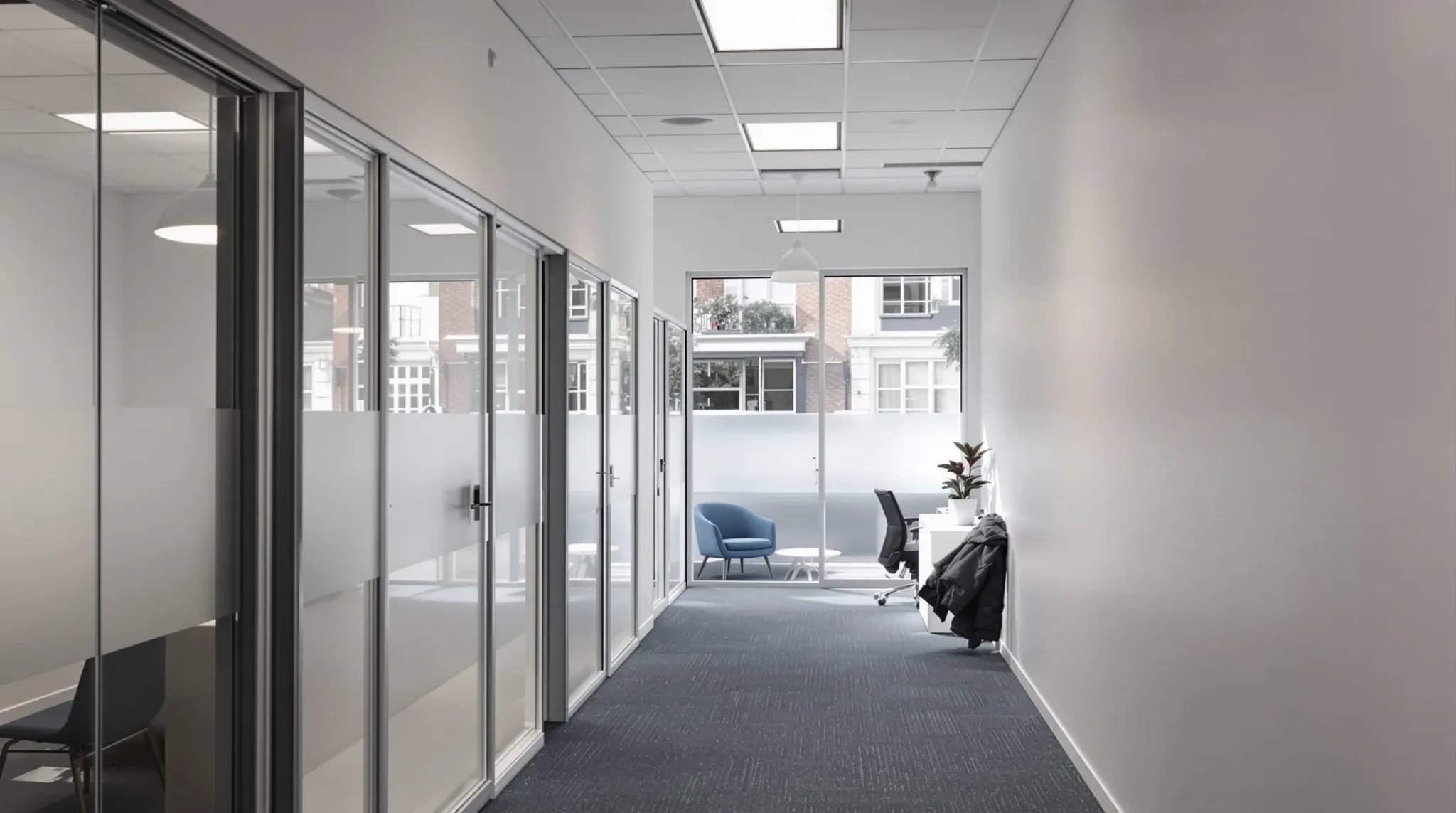
Converting a Retail Shop to an Office
A former shop is built to sell, and an office behind the same glass needs close to the opposite. This is the building work that turns a street-level shop into a working office.

Topic
Stripping out at the end of a lease, working around staff in an occupied space, and what make good obligations mean in practice.
Showing 1–24 of 84 · page 1 of 4
A former shop is built to sell, and an office behind the same glass needs close to the opposite. This is the building work that turns a street-level shop into a working office.
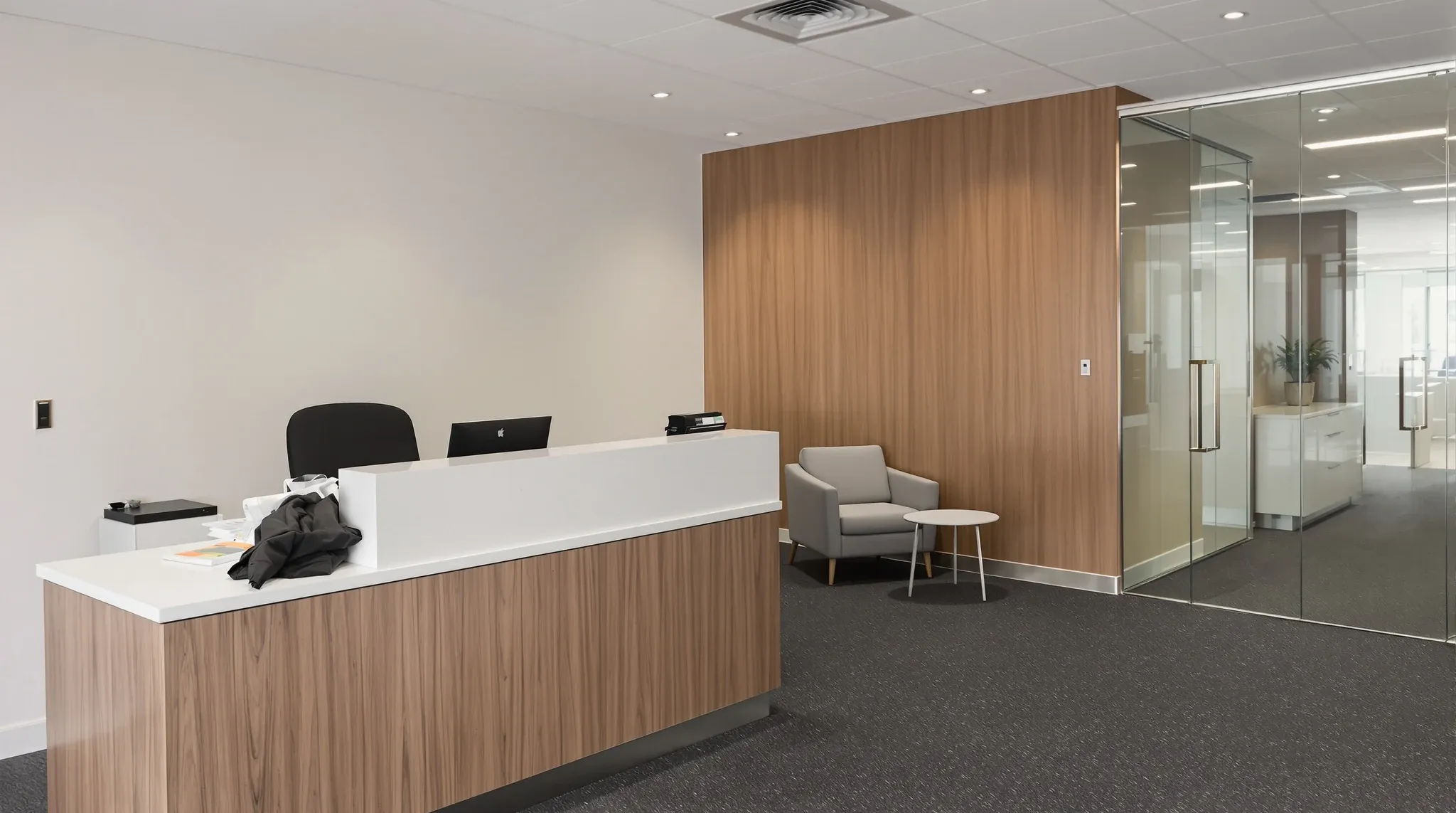
For a law firm, the reception makes the argument before anyone says a word. A client steps out of the lift into the front of house and forms a judgement about the firm in the first few seconds, well before the meeting starts. So when that space starts to look dated, worn carpet, a tired […]
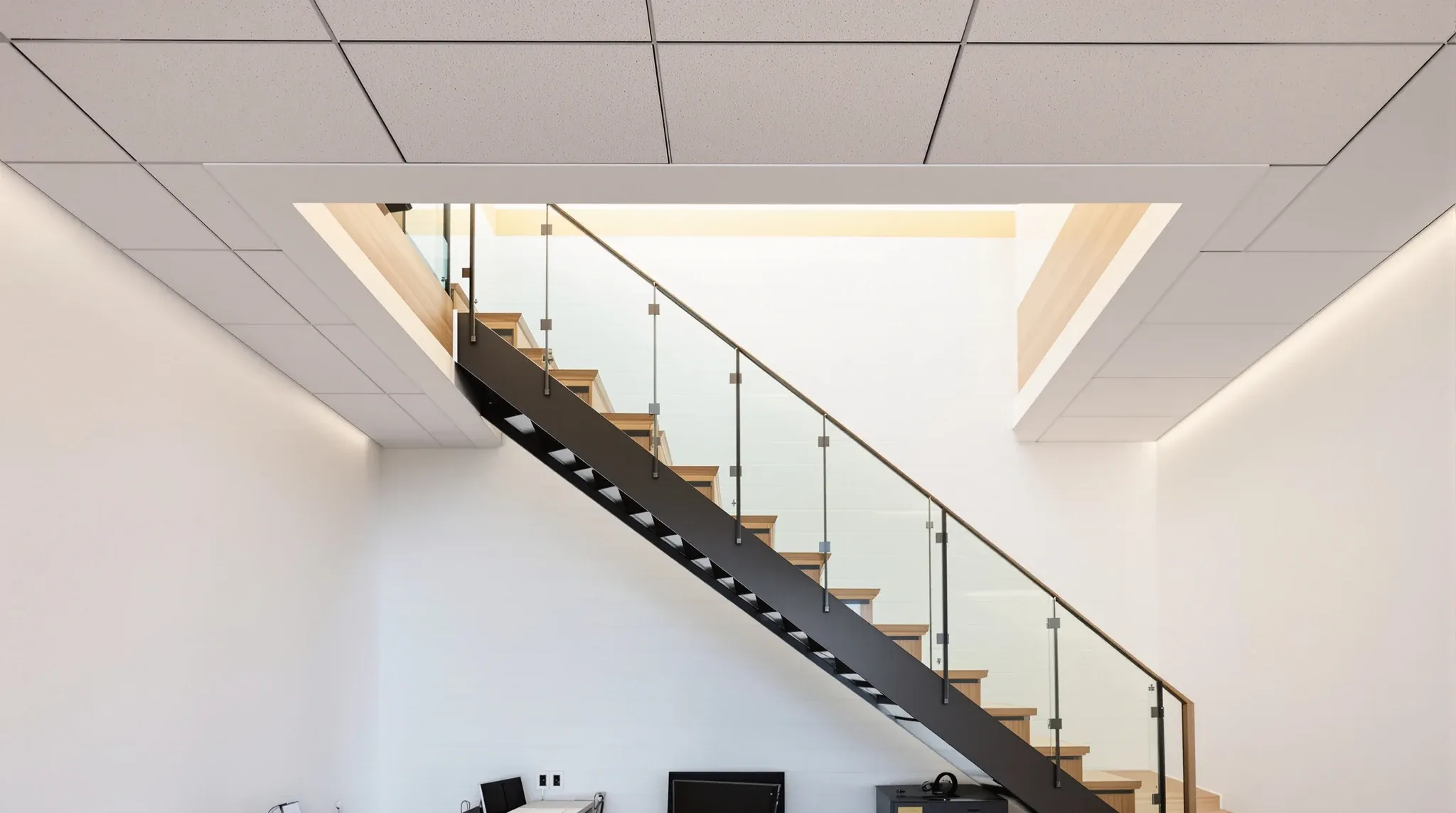
When a Sydney tenant takes the floor above or below the existing tenancy and decides to put an internal stair between them, the structural cut through the slab gets most of the attention. The bigger build question, once the slab opening exists, is what happens to the ceilings on each side of it. The lower-floor […]
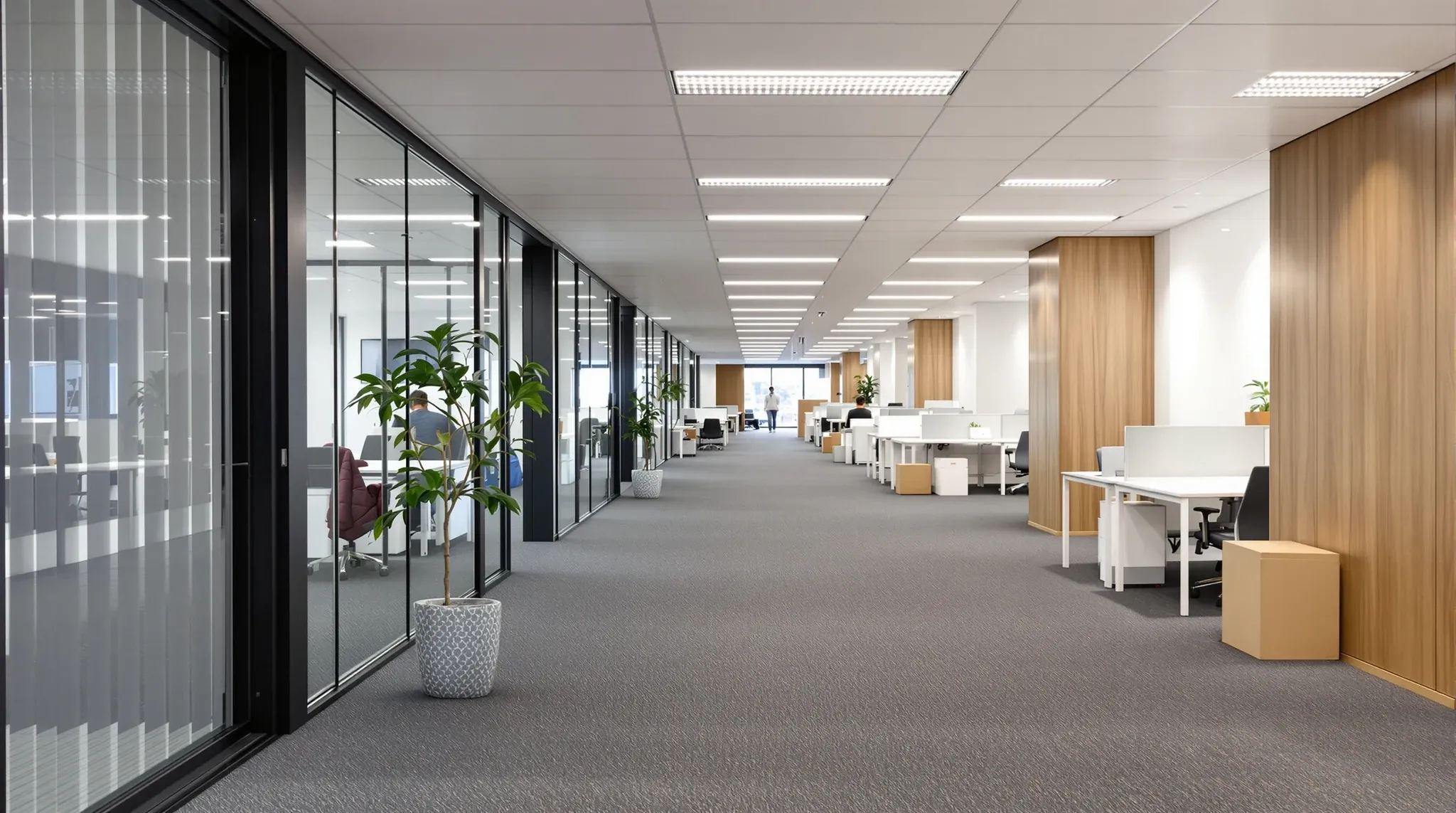
A Sydney tenant who sub-let half their floor at some point during the lease and is now bringing the tenancy back together usually has a single visible problem: the demising wall in the middle of the floor that no longer needs to be there. The build question is what comes out, what stays, and what […]
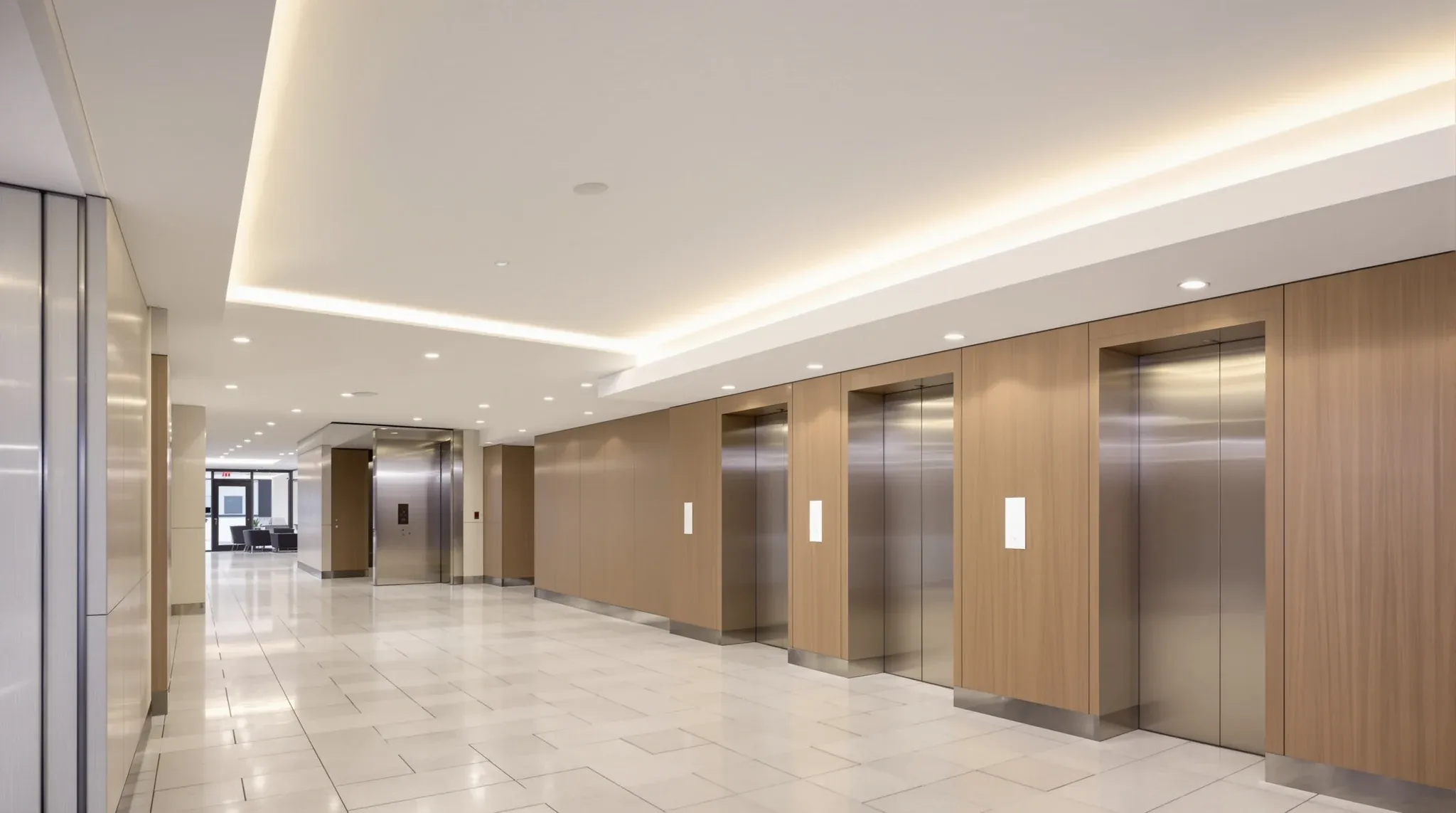
Prospective tenants form their view of a floor in the thirty seconds between the lift doors opening and the agent unlocking the suite, and the lobby ceiling does more of that work than anything else in the frame. A yellowed grid, mismatched tiles and a flat fluorescent wash read as deferred maintenance before anyone has […]
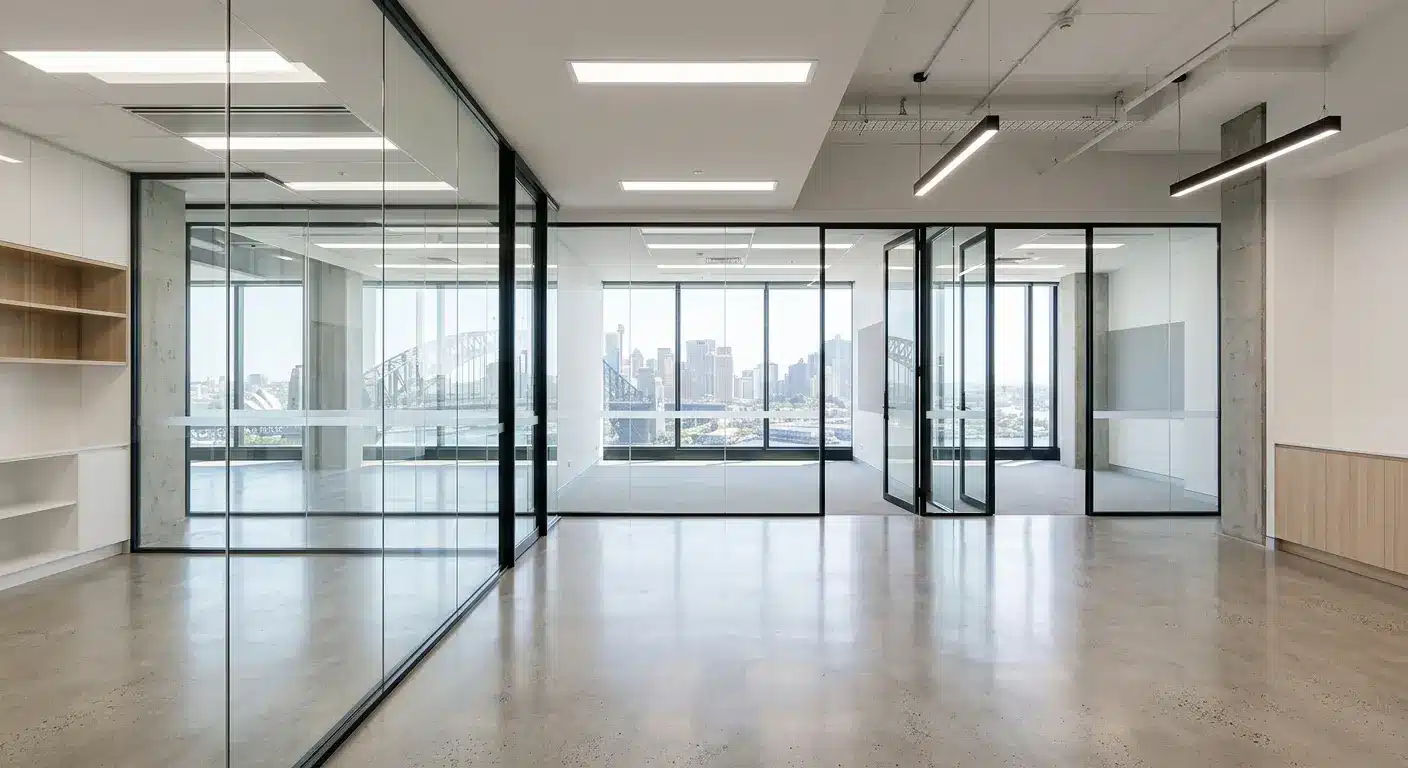
Make good is not one scope. The same lease clause produces a very different schedule of works depending on whether the tenant is leaving the tenancy entirely or staying put under a renewed lease. Most tenants think of make good as the thing they do when they move out. Tenants who renew often discover, partway […]
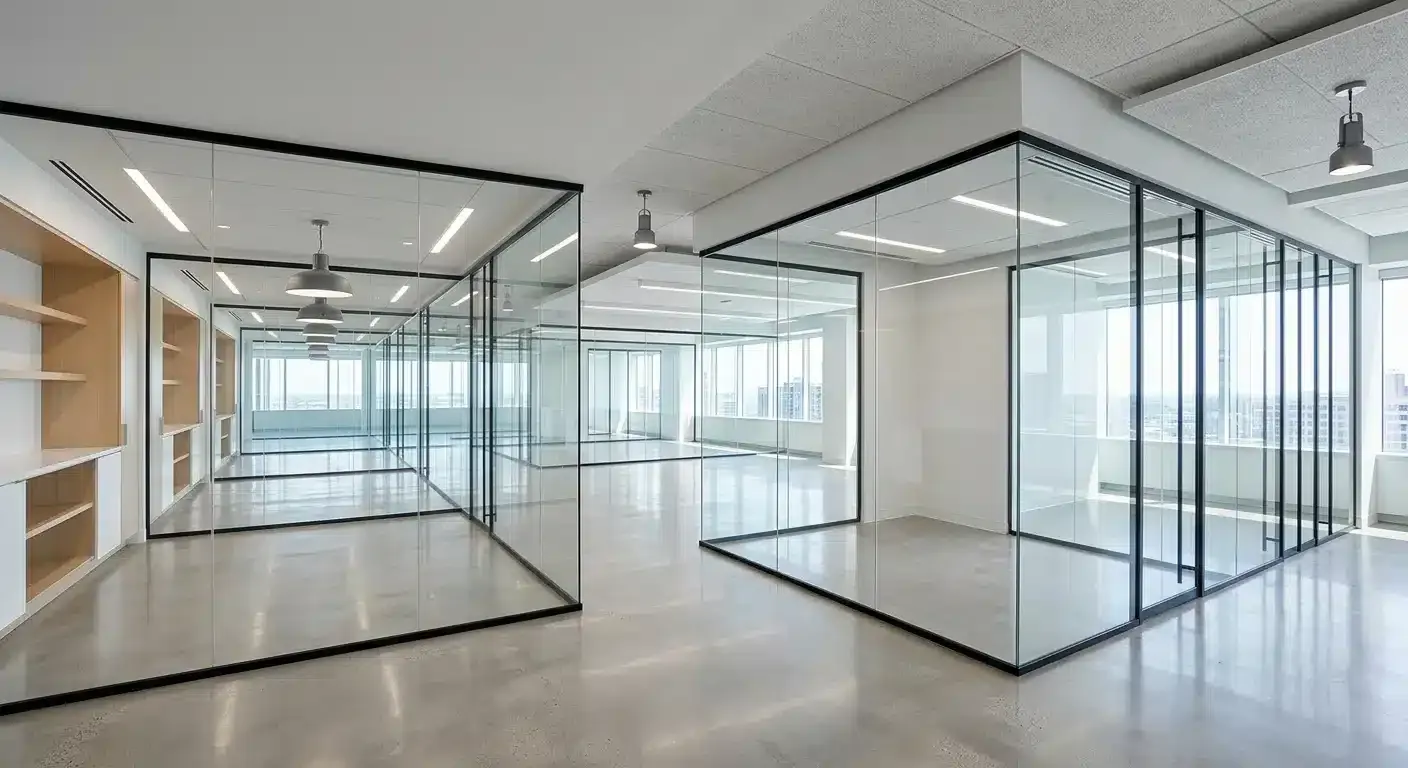
A burst pipe above a commercial office tenancy rarely stops at the ceiling line. By the time we walk the floor on the first visit, the water has usually moved through three layers of finishes. A section of suspended ceiling has come down or sagged, the partitions in the affected zone are wet at the […]

The make-good clock does not start when a tenant hands the keys back. It does not start when the dilapidation schedule lands either, although that is the moment most tenants finally notice it. In a Sydney commercial lease, the clock has been running quietly from the start of the tenancy, and the windows that actually […]
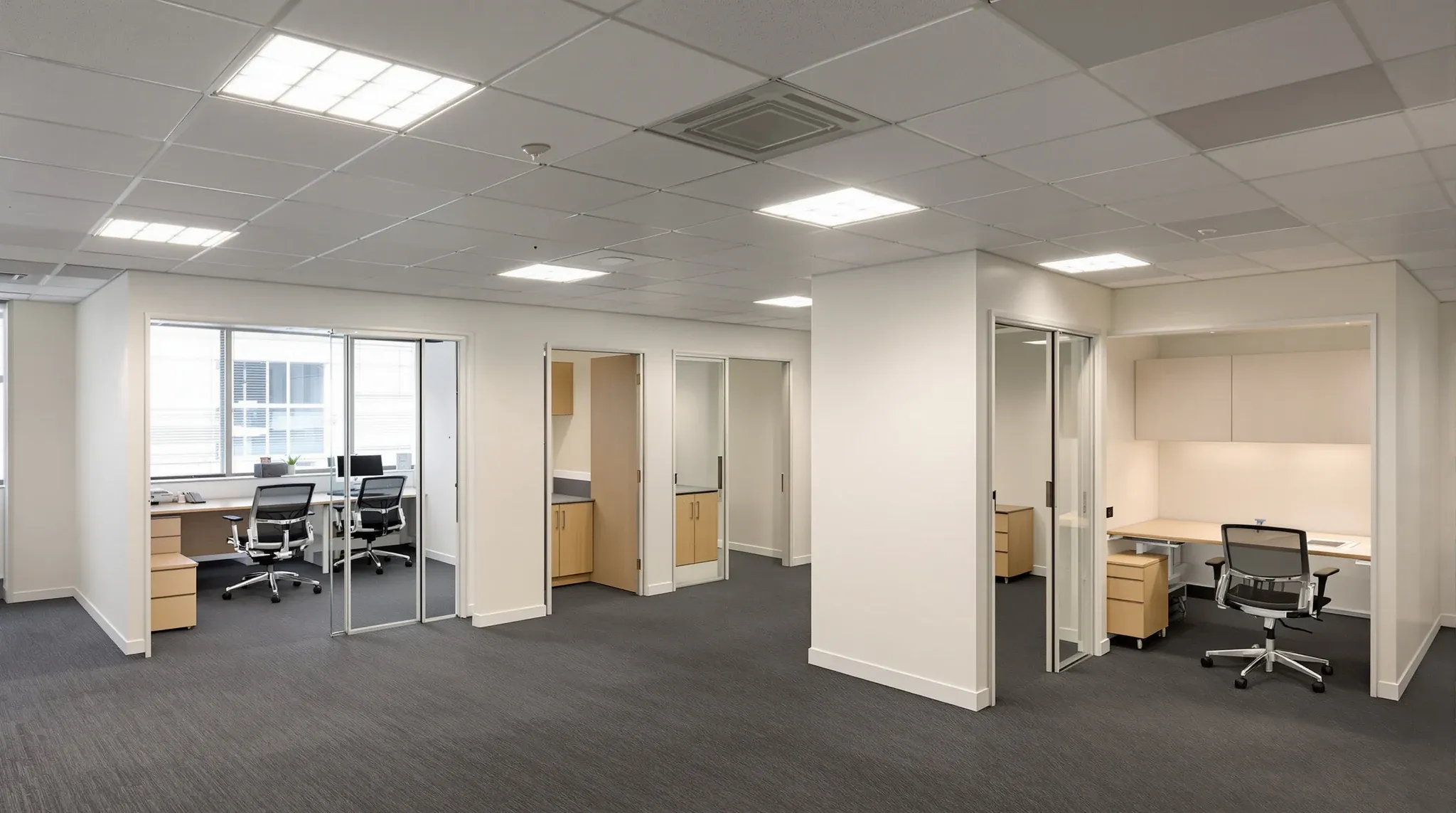
A second-generation Sydney tenancy with a usable ceiling is sometimes a saved cost on the fitout feasibility and sometimes a hidden cost on the build. The honest answer to “should we keep it” depends on two things we can usually read off a walk-through in under an hour: how the grid is sitting, and what […]
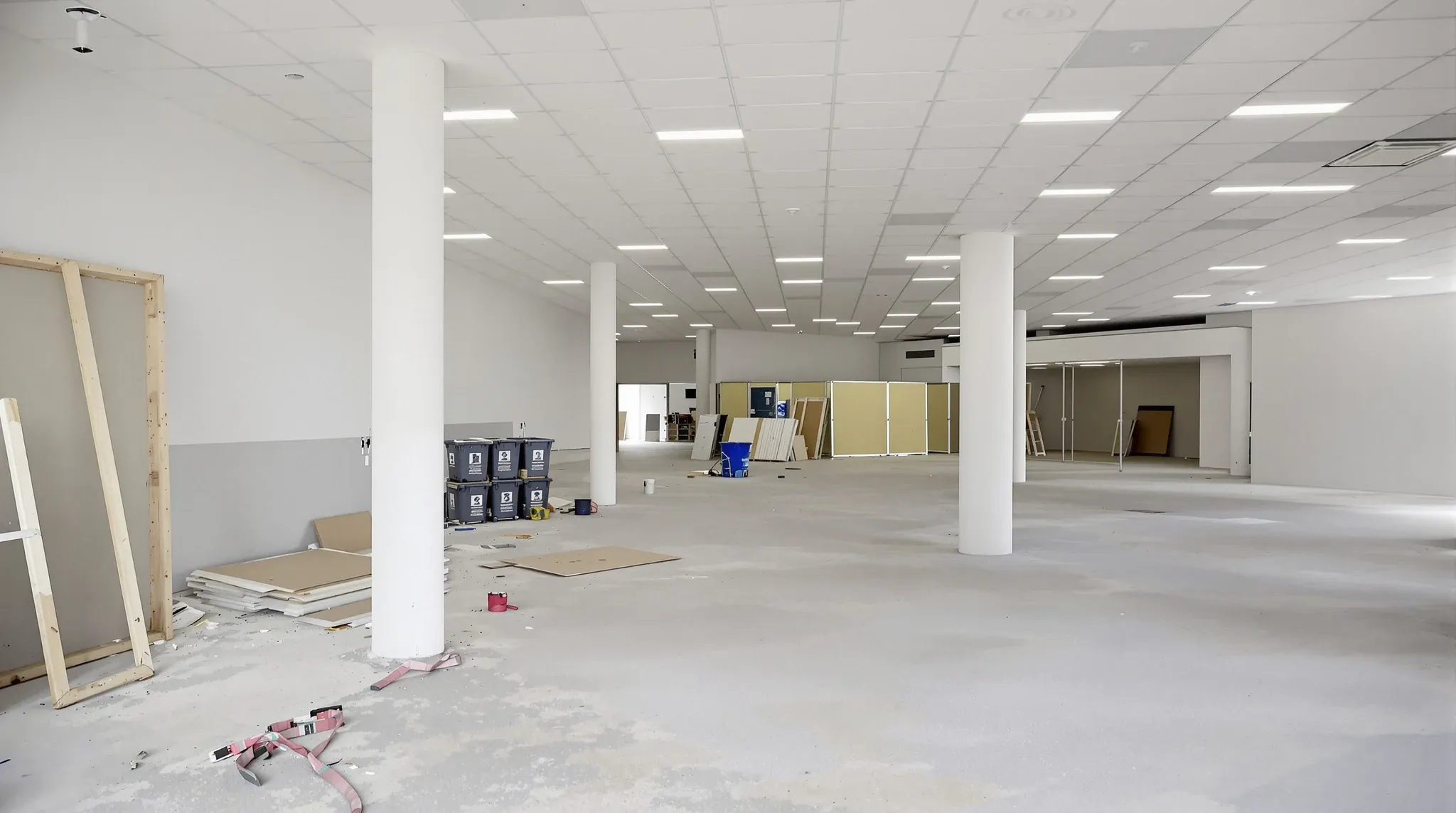
When a Sydney office defit lands back to back with the next tenant moving in, the defit window stops being negotiable. The landlord has a handover date with the next tenant, the next tenant has a fitout start they have already booked their team and trades around, and the outgoing tenant’s defit has to clear […]
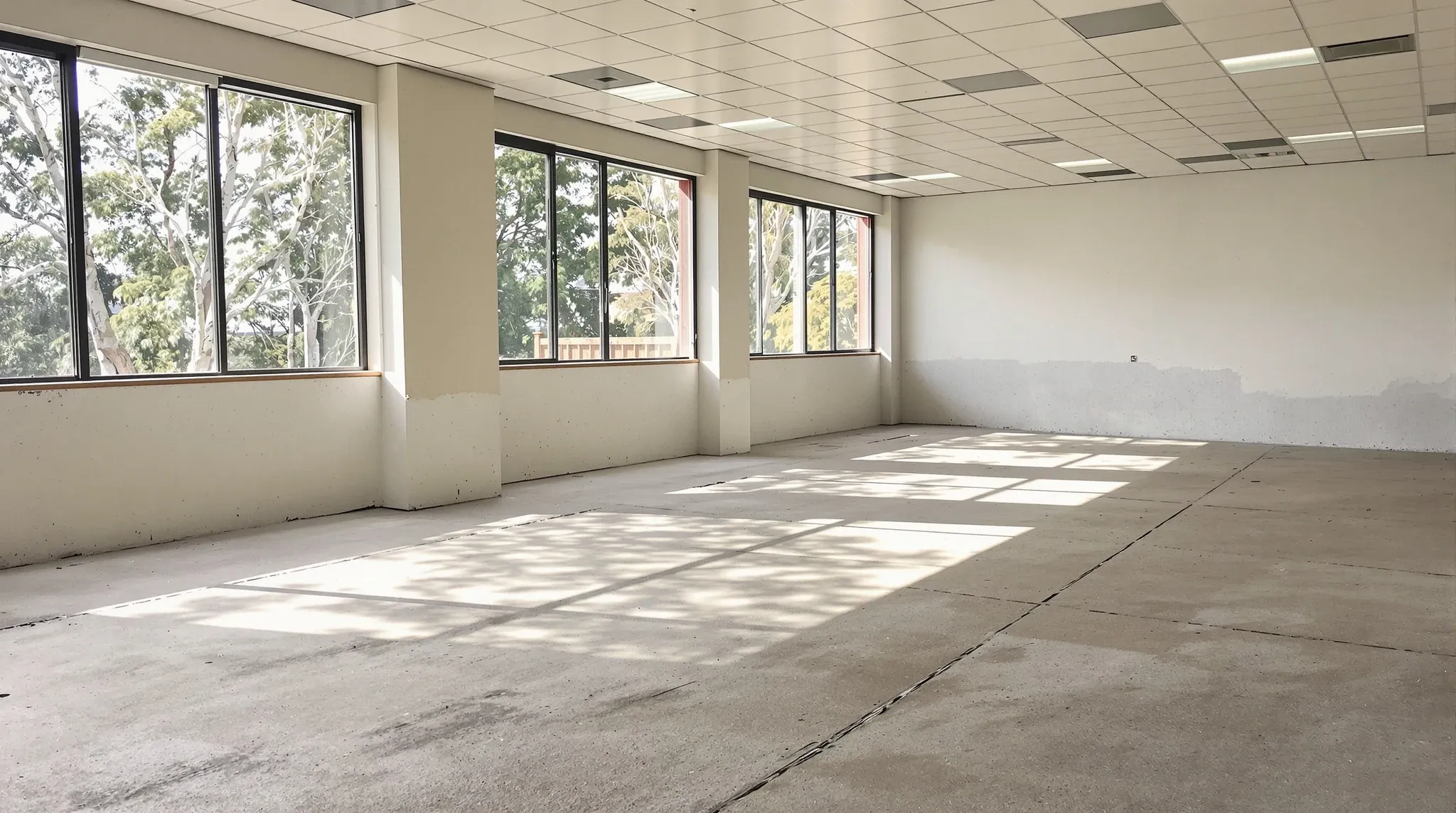
Leaving a tenancy before the lease runs out raises a timing question: strip the floor out now while you still hold it, or leave the defit until the handback date. The answer turns on access, what the lease says about condition, and whether the empty floor is costing you more held than handed back. It […]
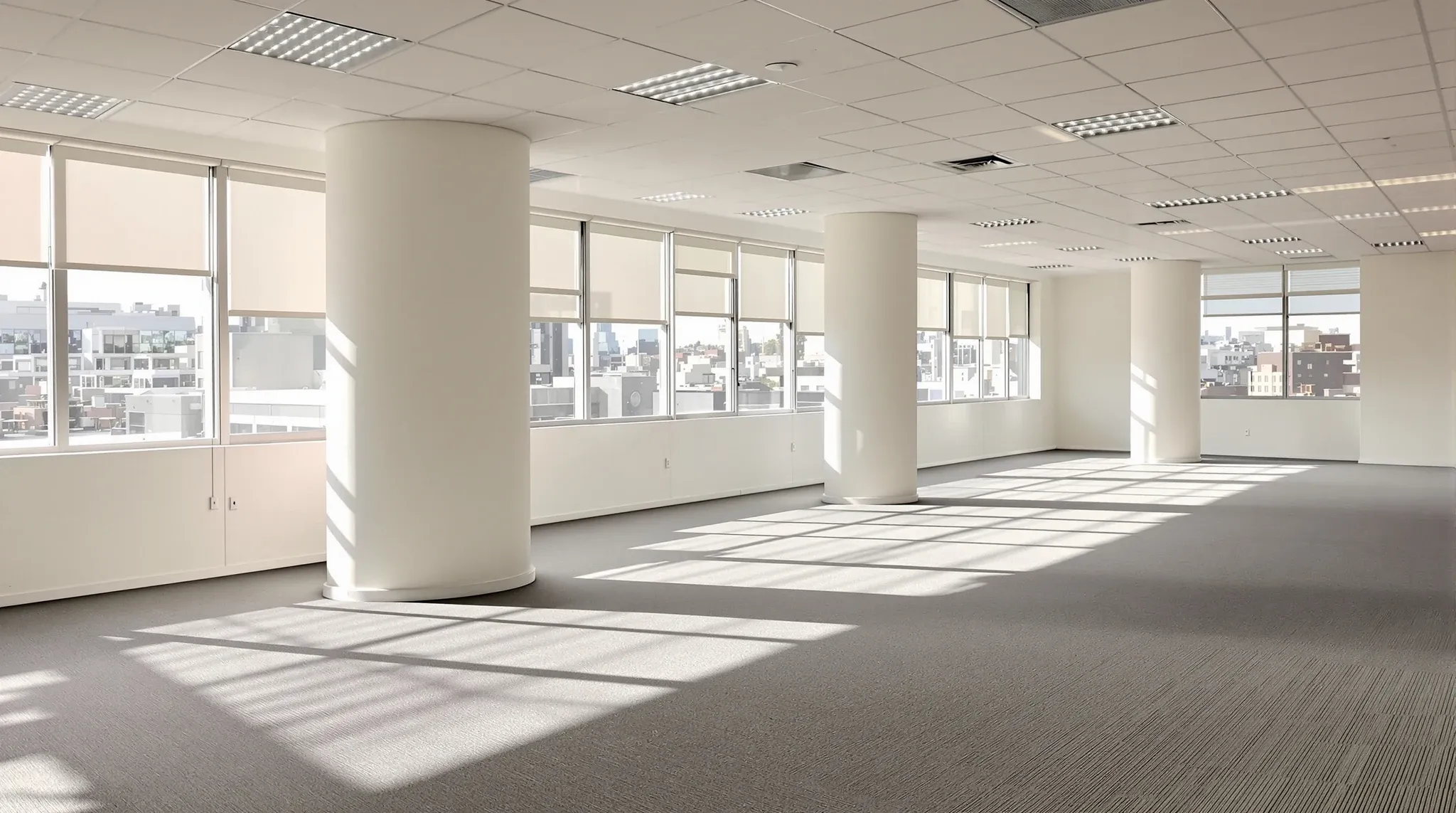
A floor that shows well leases faster, and the gap between a stripped tenancy and a lettable one is a defined package of make good and light refurbishment works. Getting the ceiling, the floor finish and the wall lines back to a neutral, presentable state is what a property manager is really buying. When a […]
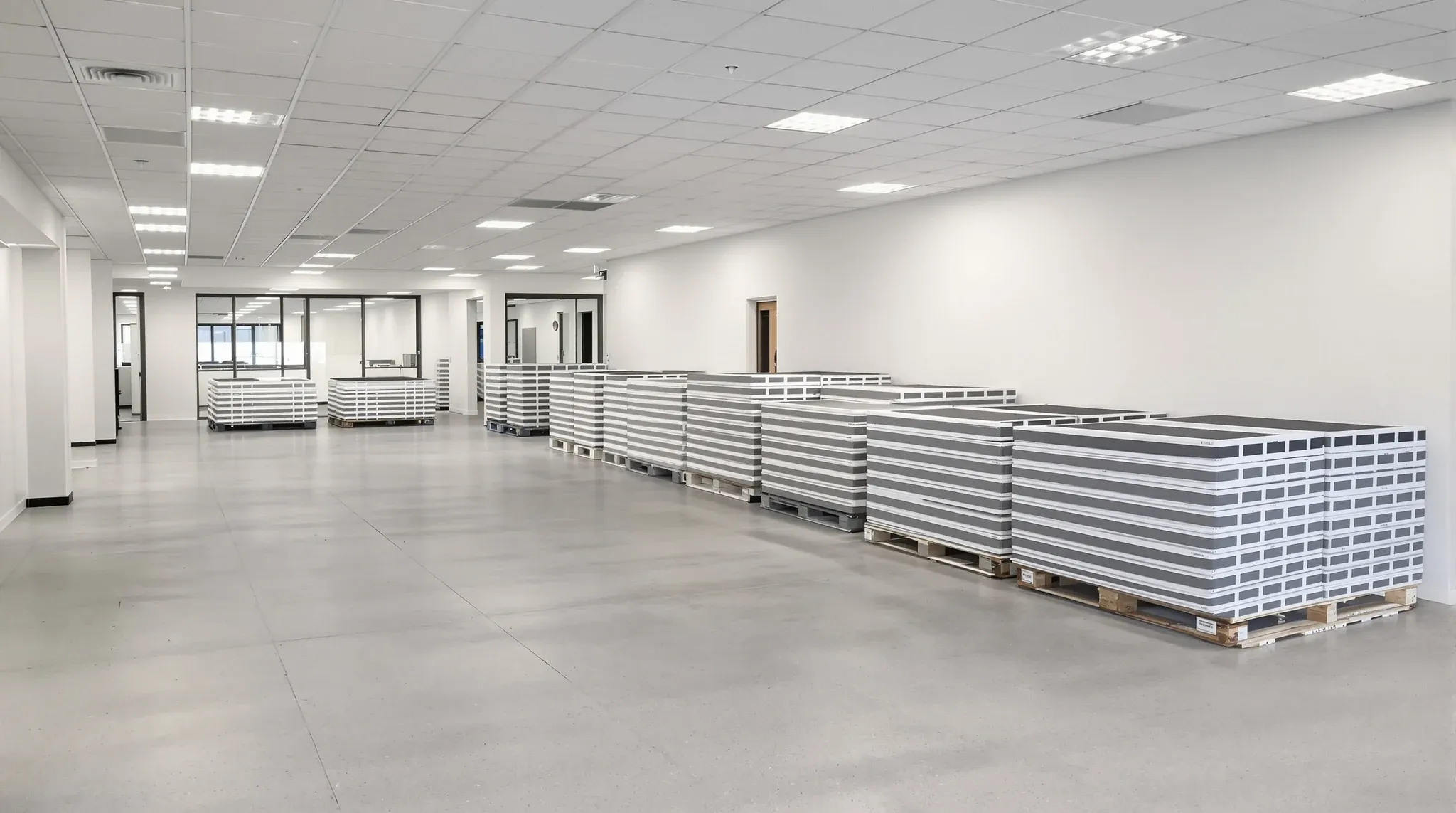
A raised access floor that carried power and data across the tenancy has to come up at lease end if the make good calls for base building condition, and what sits under it is rarely a clean slab. Lifting the panels, stripping the pedestals and getting the concrete back to a finishable level is the […]
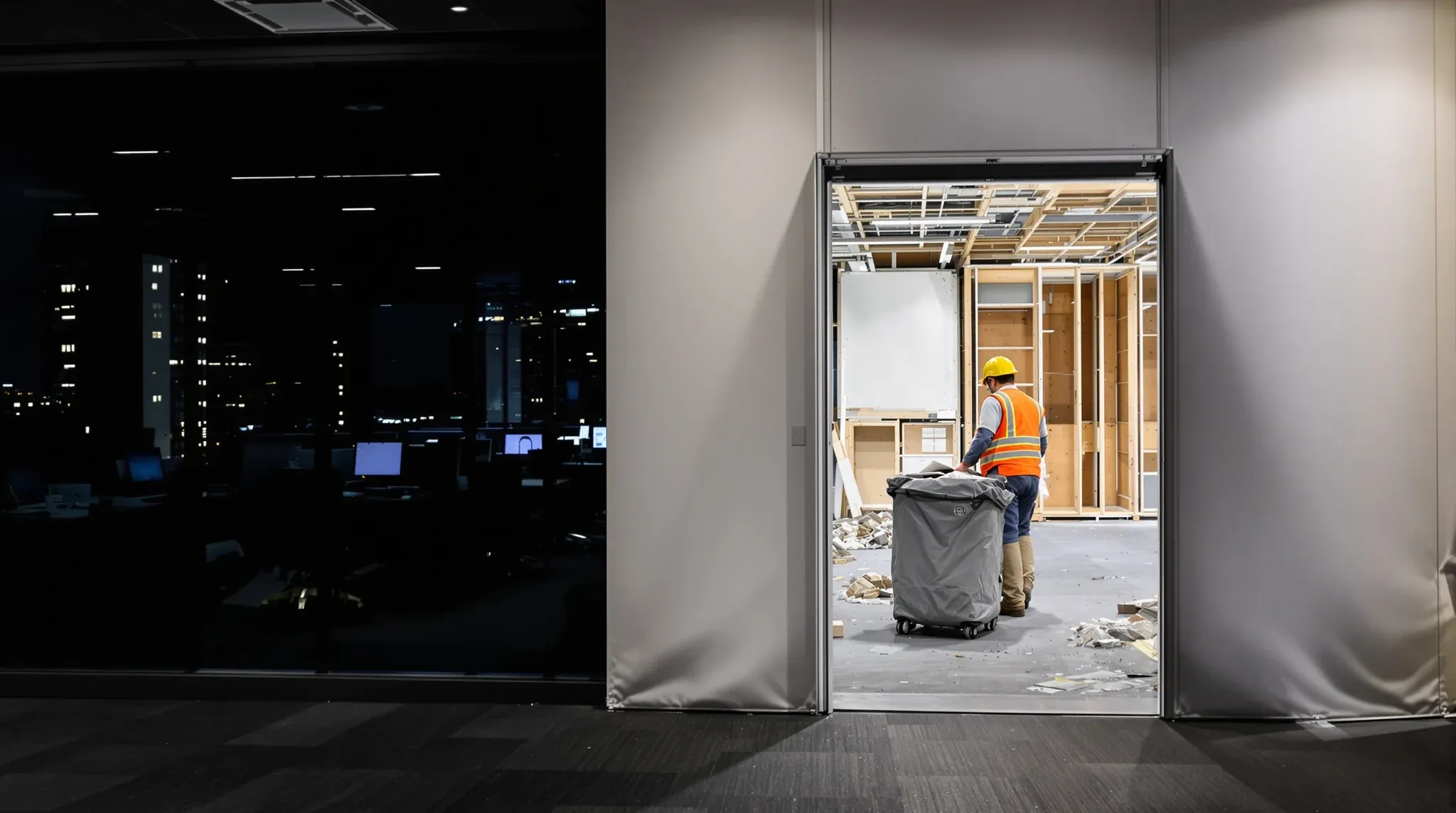
When part of a floor has to be stripped out while the rest stays occupied, the work moves to evenings and weekends so staff arrive to a tidy, safe office each morning. Running a strip-out after hours changes how the job is staged, how dust and noise are contained, and what each shift can realistically […]
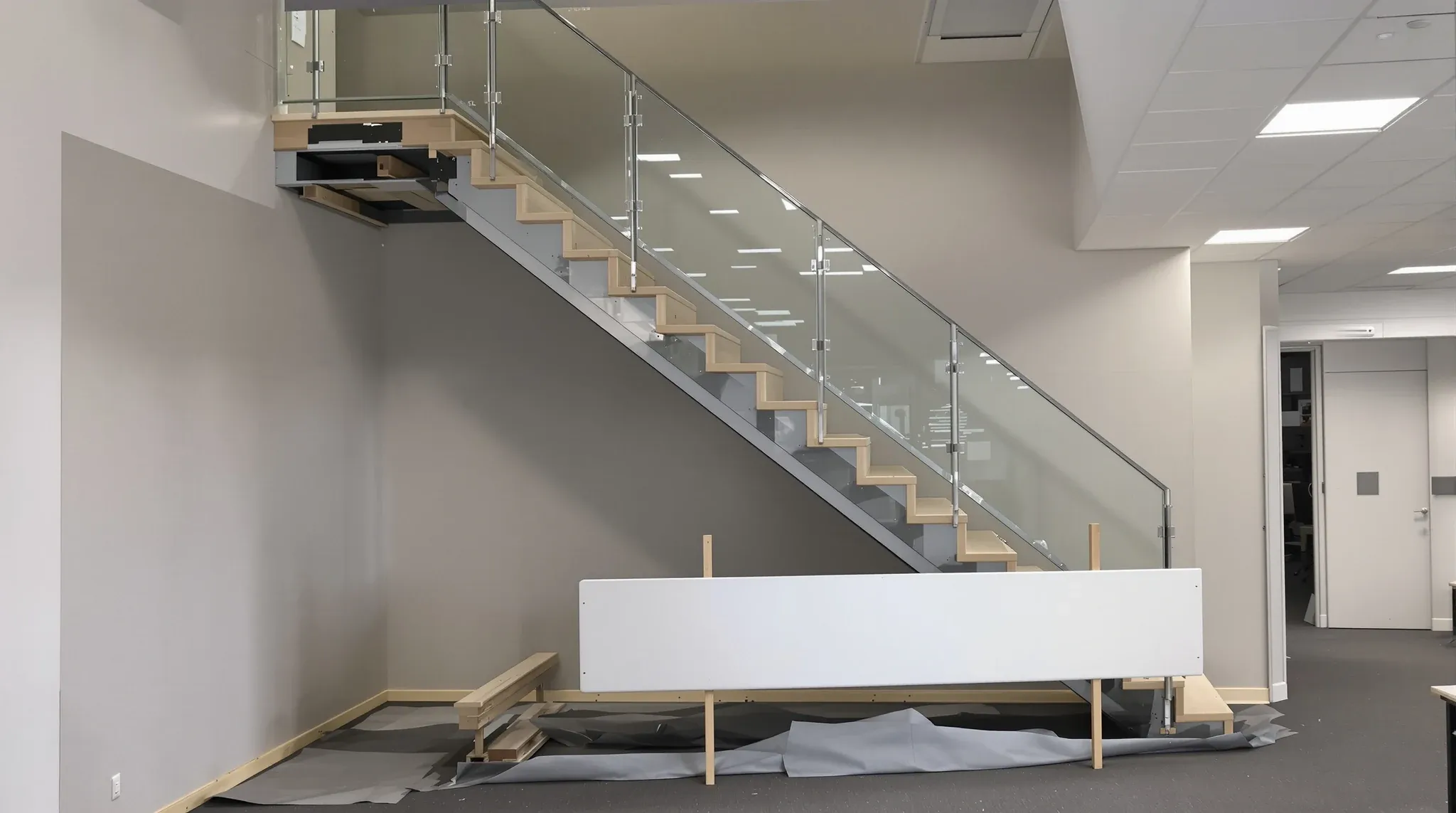
An interconnecting stair comes out in four scopes, not one: the stair structure itself, the slab opening it passes through, the fire separation between the two floors, and the finishes on both levels that have to read as though the stair was never there. Most make good schedules compress all of that into a single […]
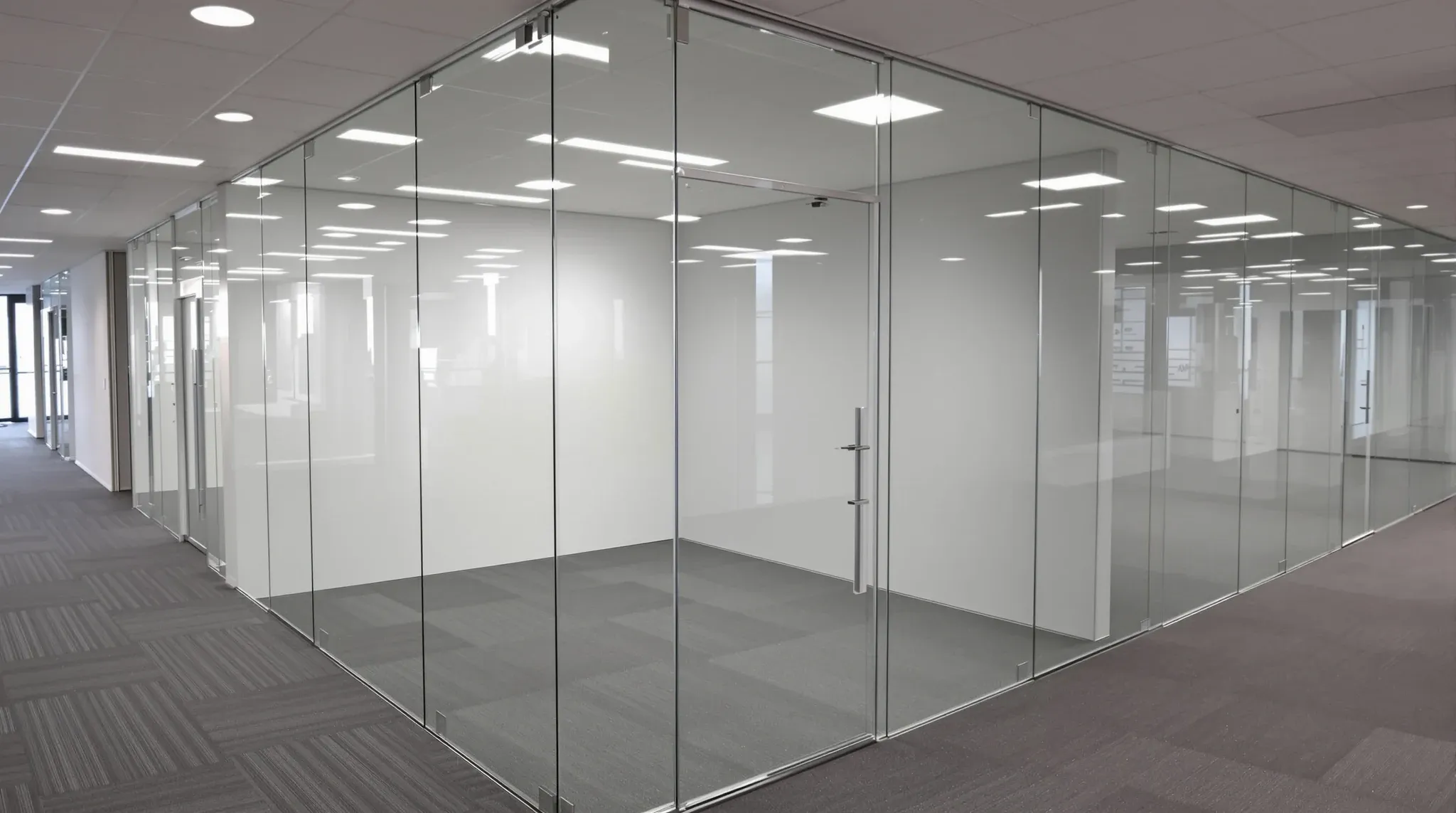
Glass partitions tend to be the part of a fitout the tenant most enjoys having and the part the make-good schedule treats most aggressively at lease end. Where the original glass has been modified, damaged, or replaced through the life of the tenancy, the question at lease end is what gets reinstated, to what standard, […]
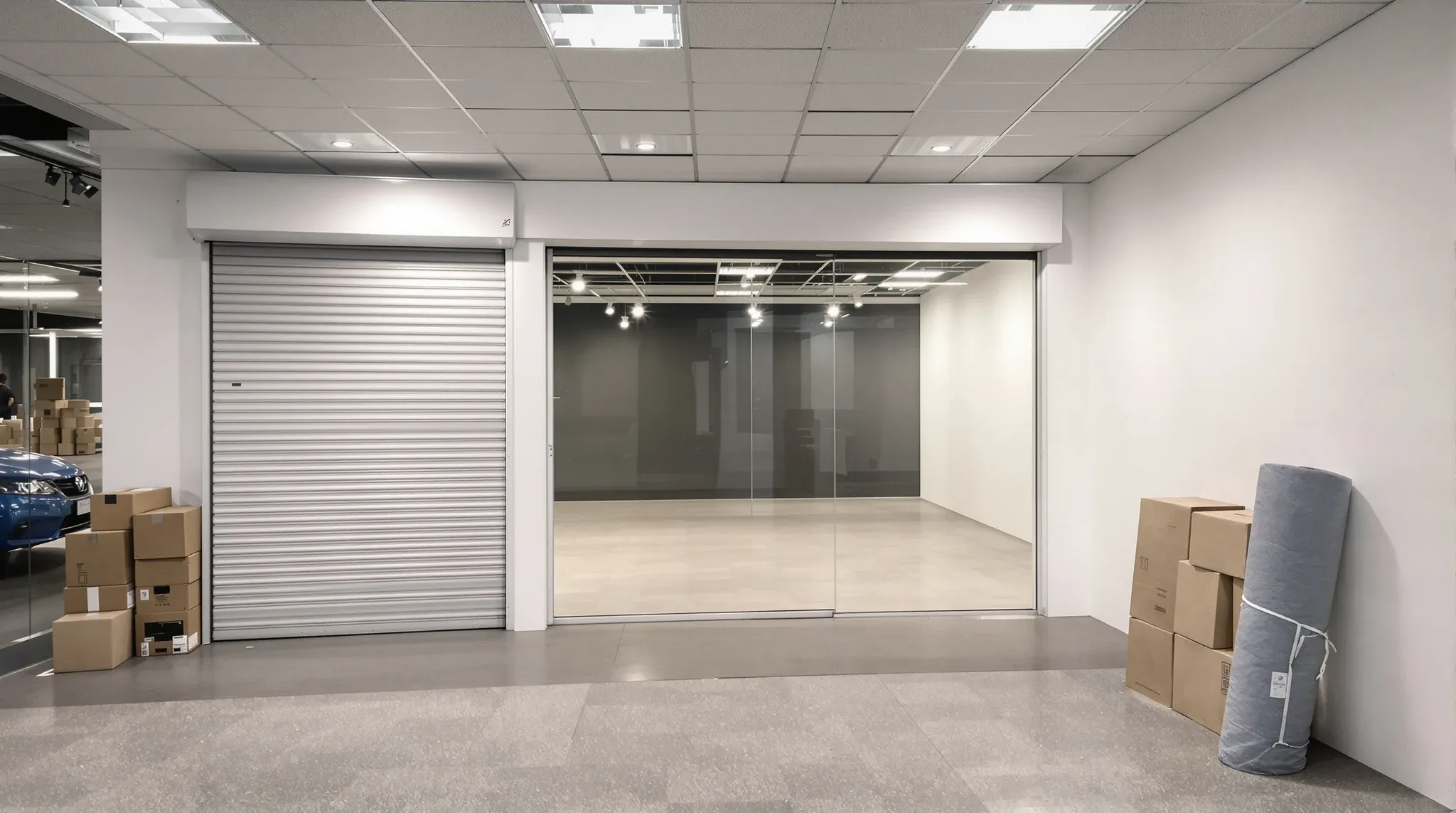
A shop defit is the removal of fittings, fixtures, services, and tenant-installed elements from a leased retail or hospitality tenancy at the end of a lease, leaving the space in the condition the lease requires for handback. It is the equivalent of an office defit but with the specific scope items that retail tenants tend […]
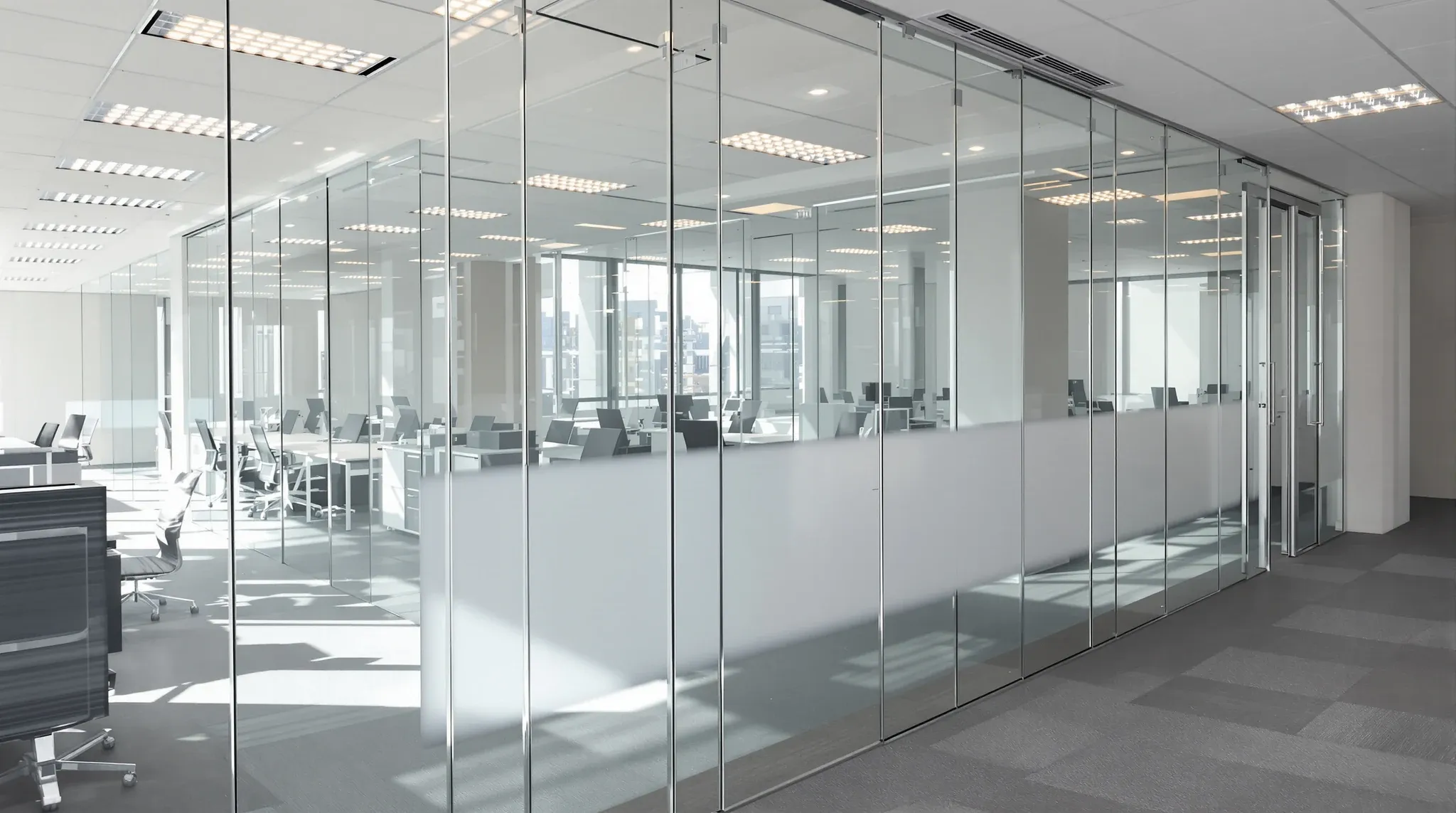
The decision between repairing and replacing damaged glass office partitions usually comes down to four things: what the damage actually is, whether the partition is still safe and compliant, how much of the room has to come out of use to do the work, and how much of the lease term is left. Most damage […]
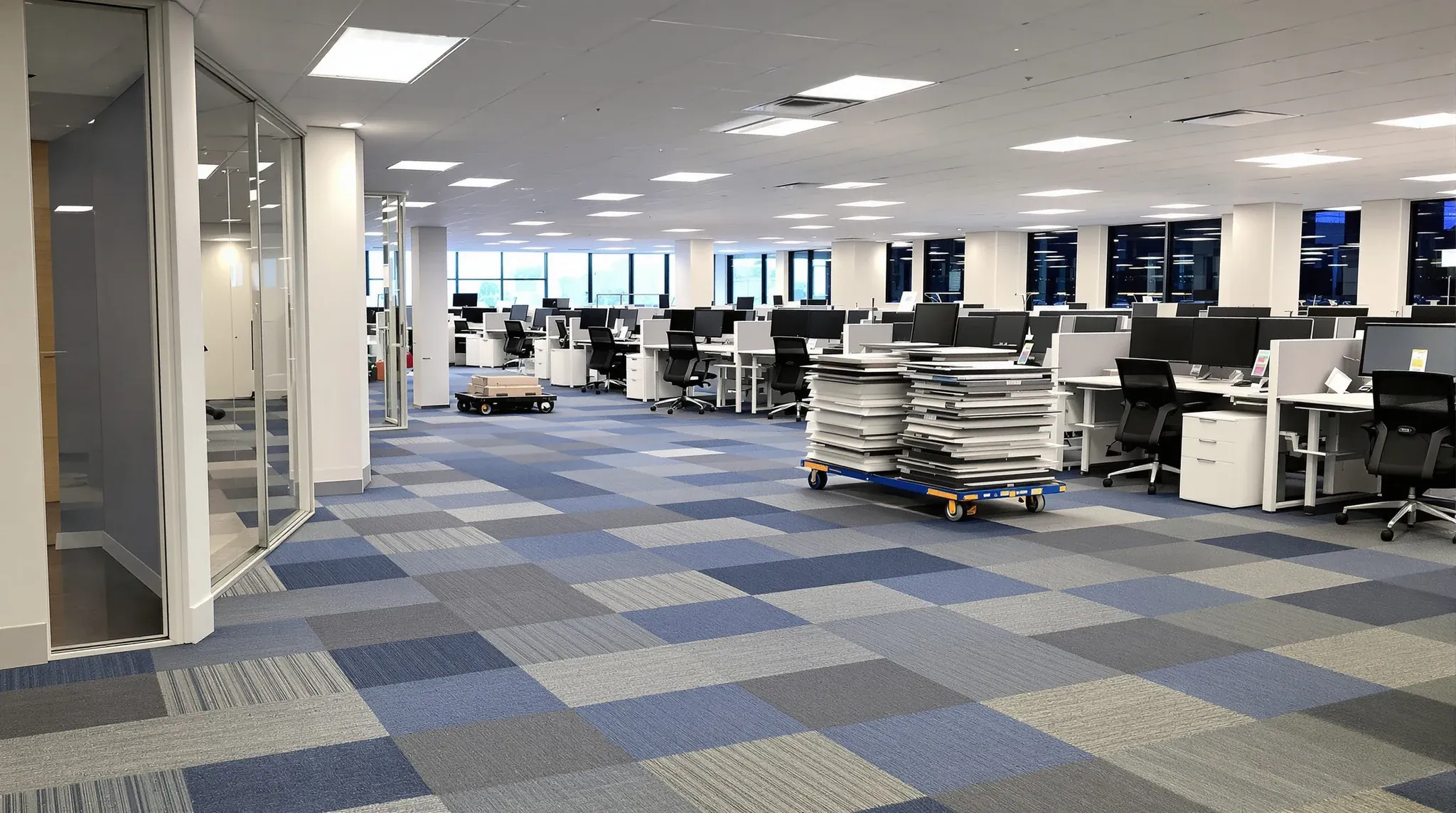
A partial defit of an office space is the removal of a defined portion of the existing fitout while the rest stays in place, usually in response to a lease decision that does not require a full strip-out. Tenants who are downsizing within the same building, surrendering part of a floor to the landlord, consolidating […]
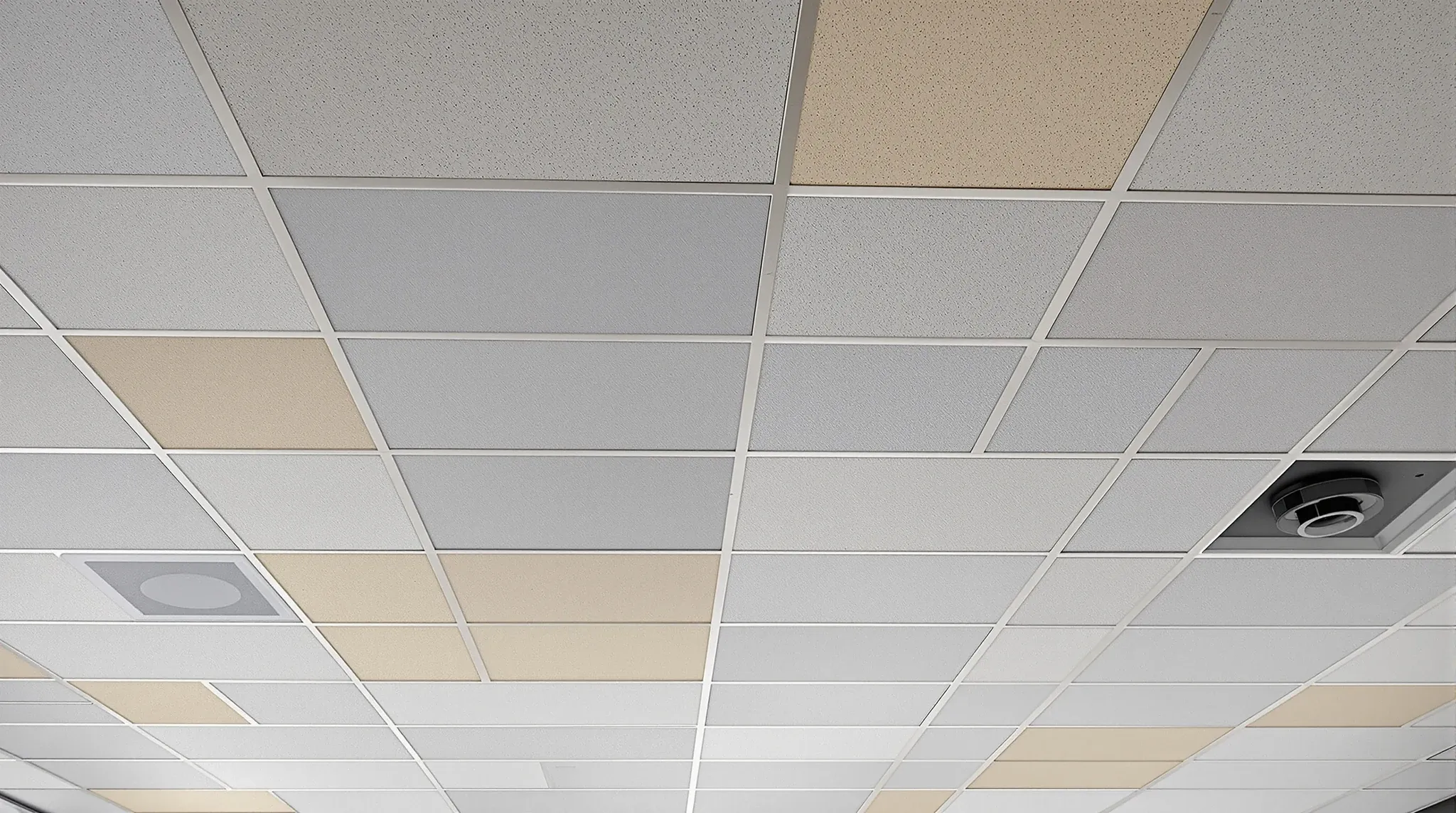
The ceiling is one of the most underestimated items in a commercial office make good. Tenants walking through a premises at lease end tend to focus on partitions, floor coverings, and the obvious scars left from years of occupation. The ceiling, because it mostly just hangs there, often gets a brief glance and a mental […]
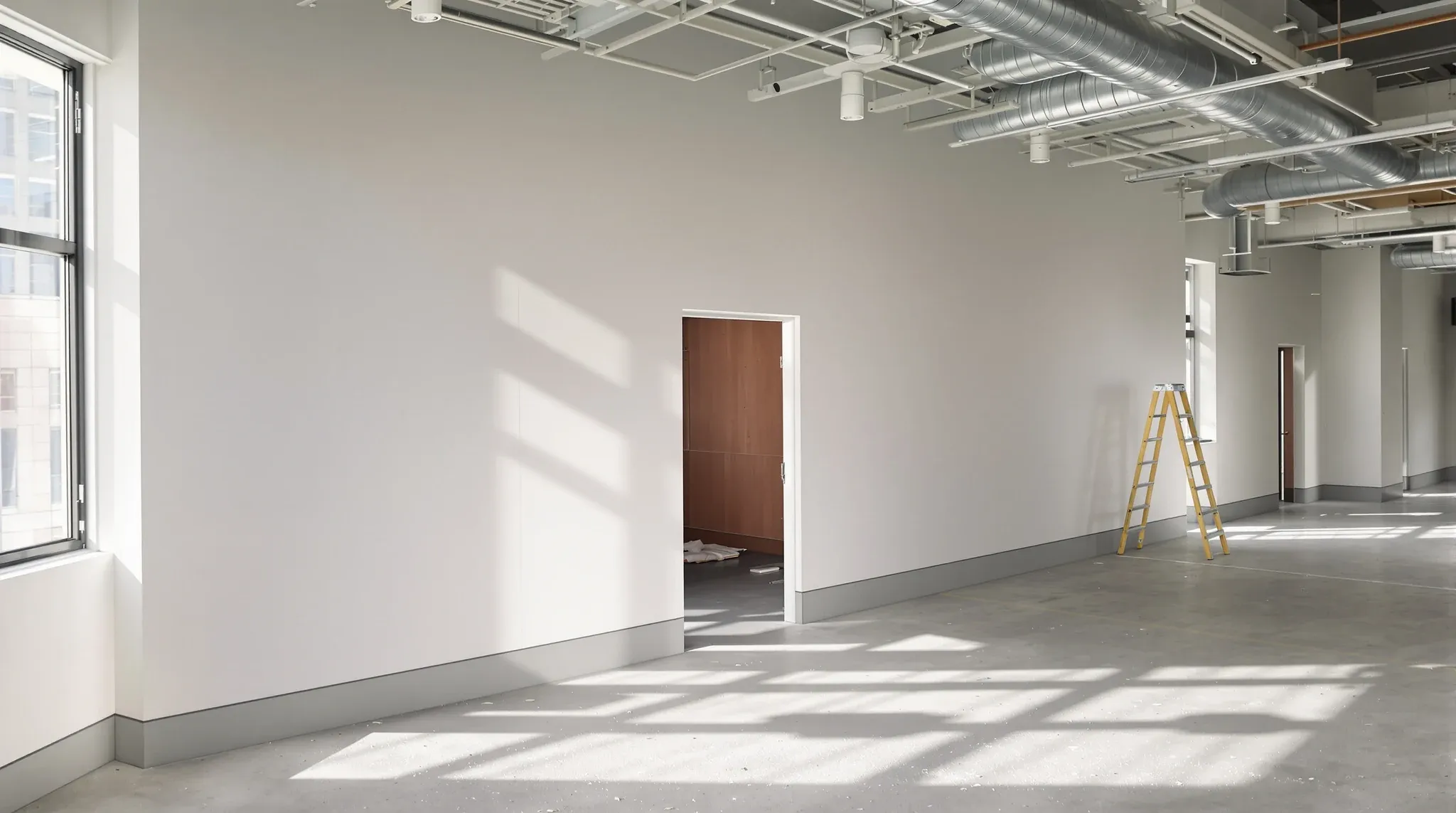
A partial-floor exit is a lease-end scenario that catches many tenants off guard. The business is not leaving the building; it is simply handing back part of the tenancy. On paper this sounds like a smaller, simpler event than a full make good. In practice, a partial exit is often more complex than a whole-floor […]
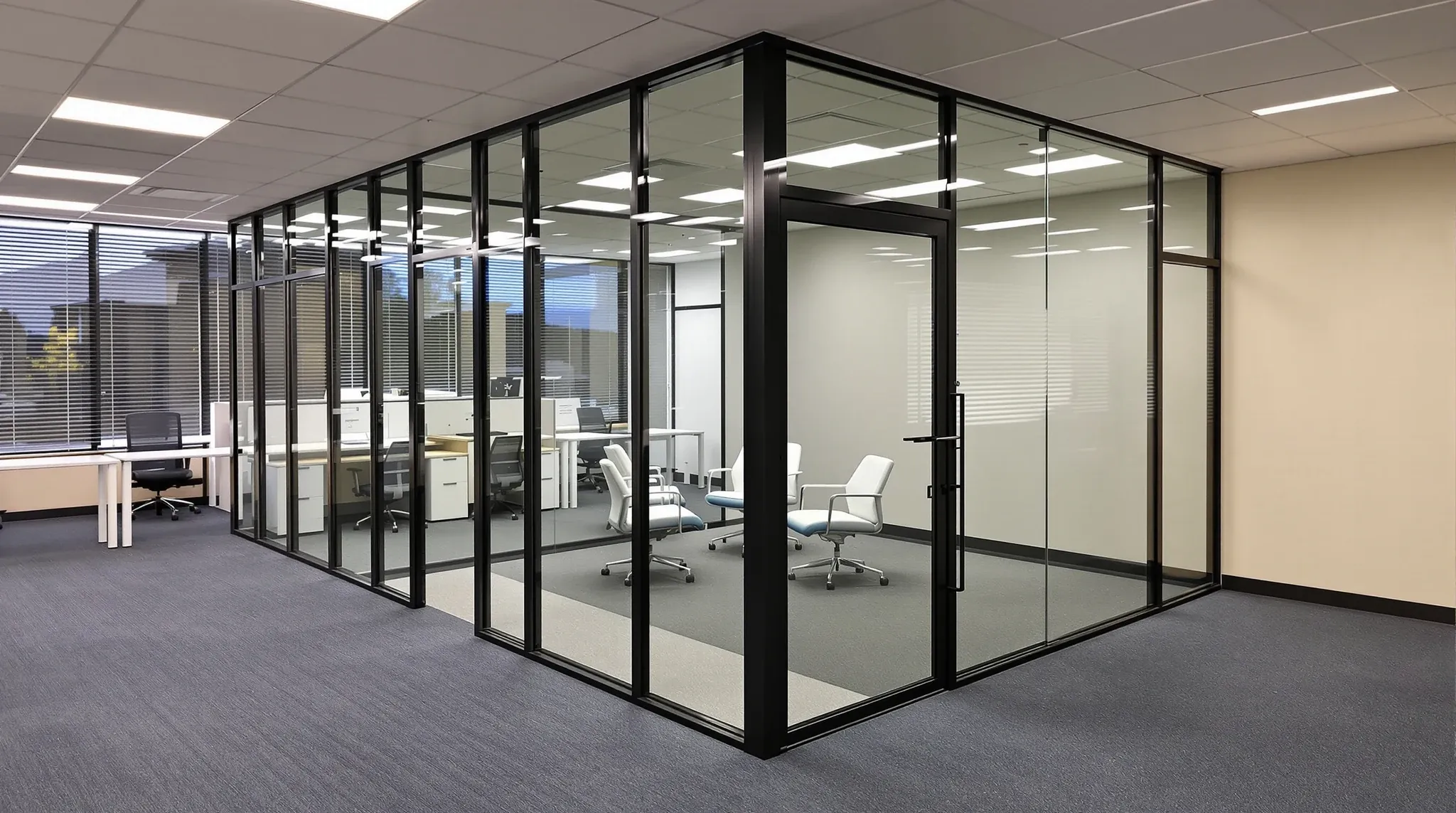
When a commercial tenant reshapes an existing fitout, the cheapest wall is the one that already stands where the new plan needs it. The next cheapest is the one that stands near where the new plan needs it and can be moved without losing a layer of finishes. The most expensive is almost always the […]
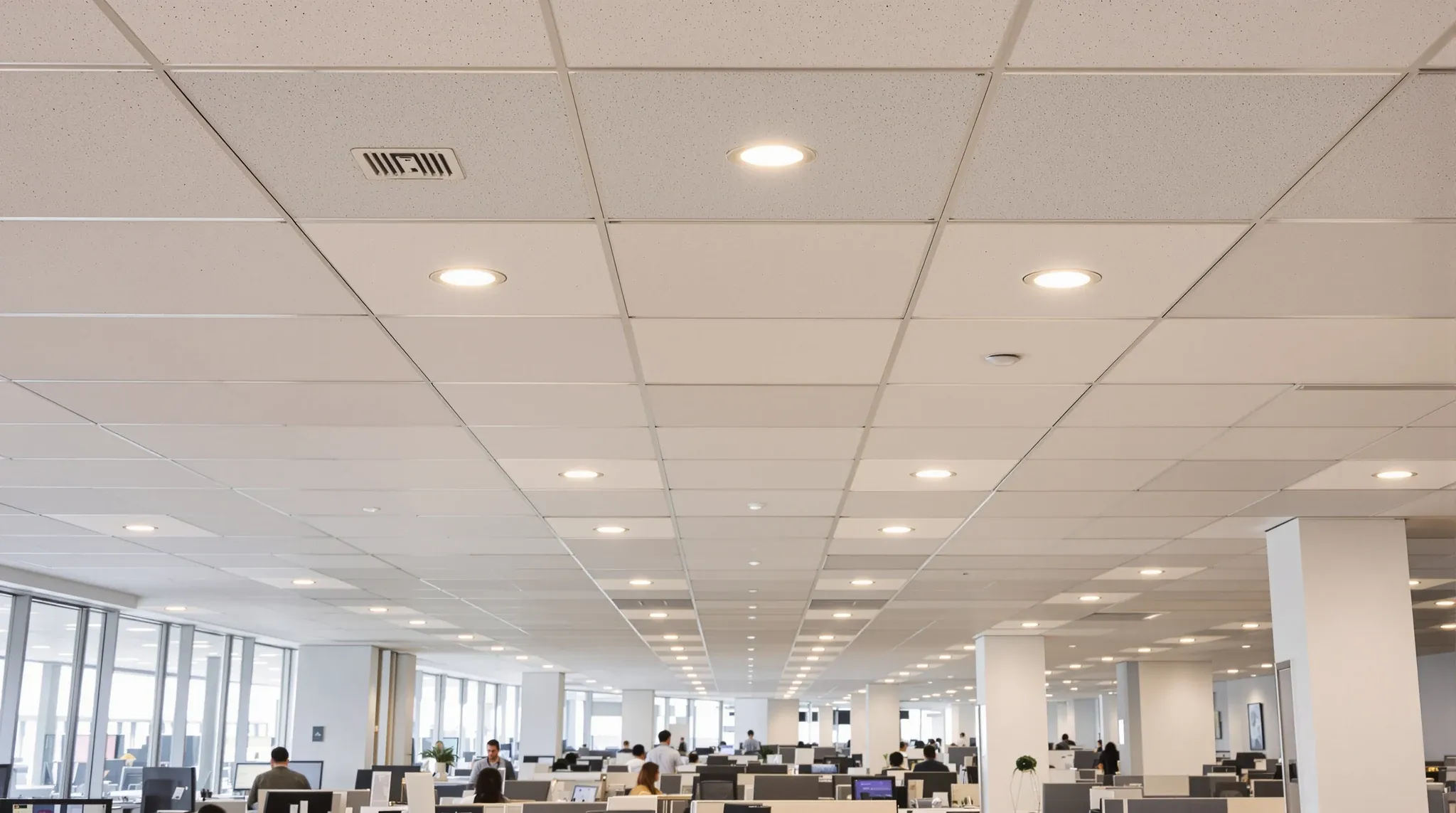
Lighting is the make good scope item that surprises tenants most often. The partitions come out, the walls get patched, the carpet gets replaced, and by that point the lighting scope is usually the only thing standing between the tenant and the landlord’s sign-off inspection. That is also the point where the scope is most […]
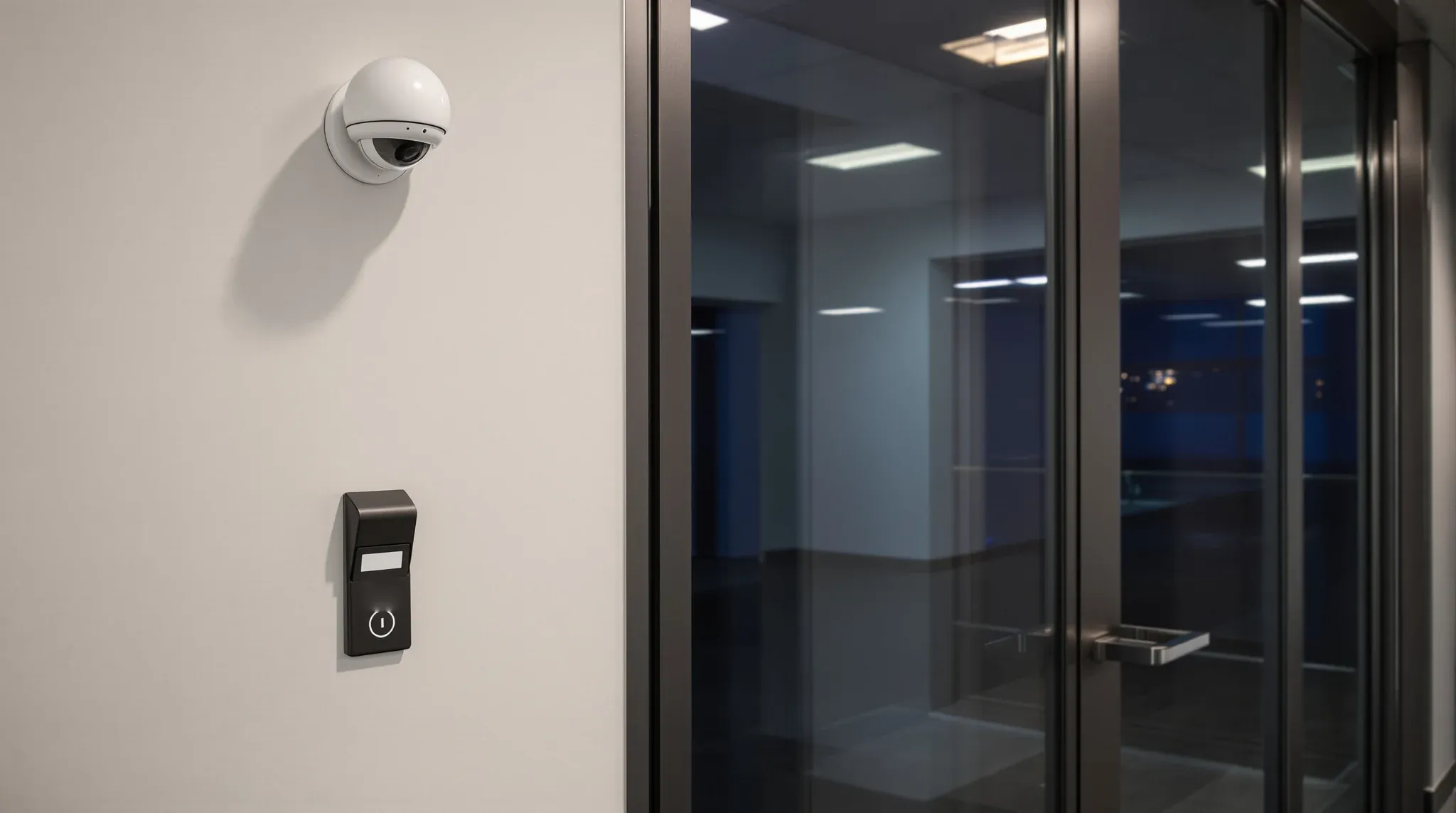
Security systems are the make good scope that tenants and contractors most often discover they have not planned for. The access control readers, the CCTV cameras, the alarm panels, the cable runs back to a dedicated riser, the integration with the building’s fire system; all of these came in as tenant-added works at the start […]
The rest of the library.
Tell us what the space is and what you want done. We come and look, then you get the works, the inclusions and the exclusions in writing.
Prefer to talk?1300 60 93 93