Complete Office Fitouts

Make Good & Defit

Page 4 of 5

Showing 73–96 of 97 · page 4 of 5

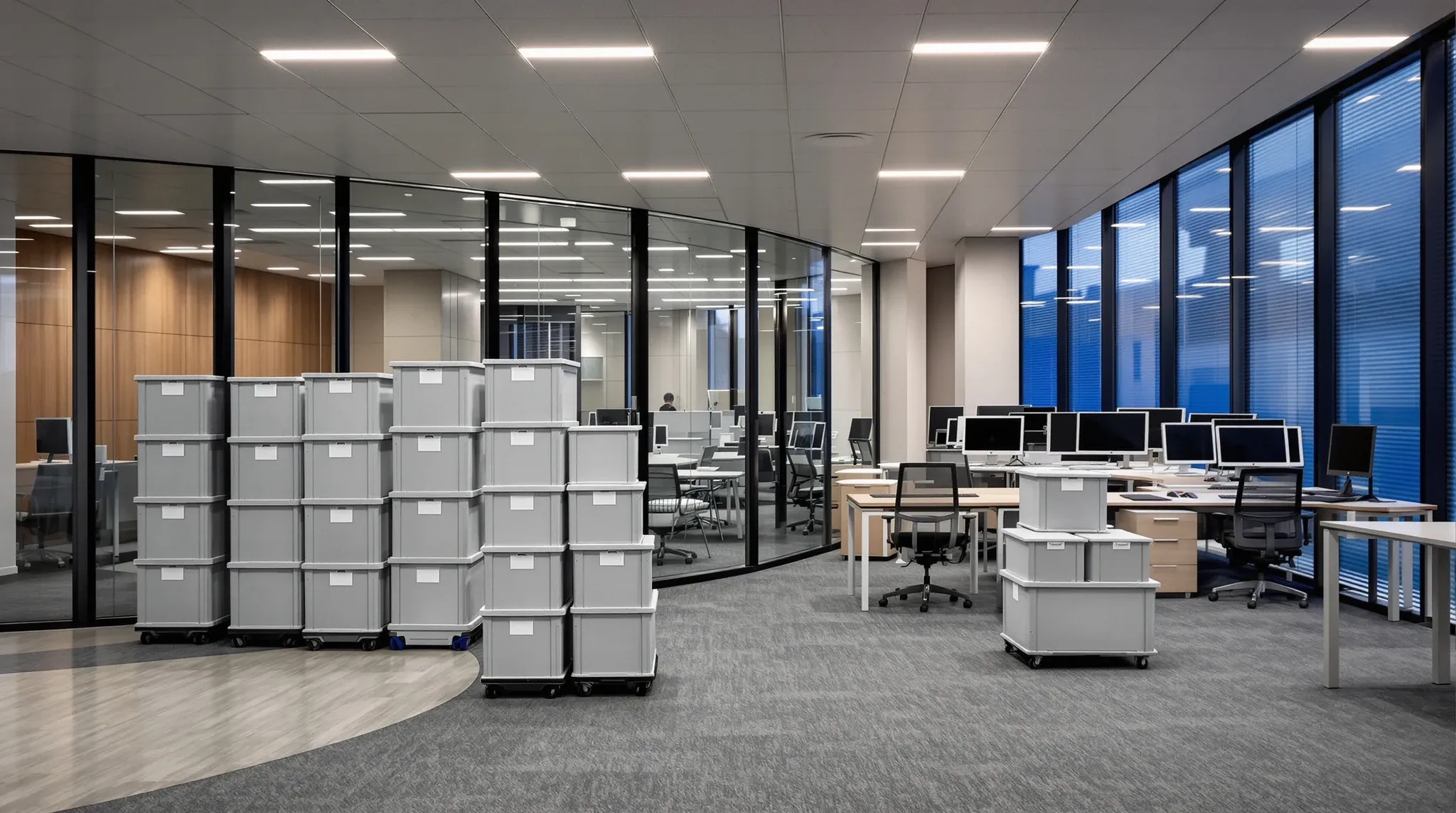
  • An office in the week before a move, with grey crates stacked a few high on cleared desks and dollies
    Make Good & Defit

    Why Defit Strategy Should Start Before Your New Fitout Does

    Most tenants start thinking about defit when the new office is already being designed and the move date is approaching. By that point, the decisions that should have shaped the defit strategy have already been made without it, and the consequences arrive in the final weeks of the transition when there is no time or […]
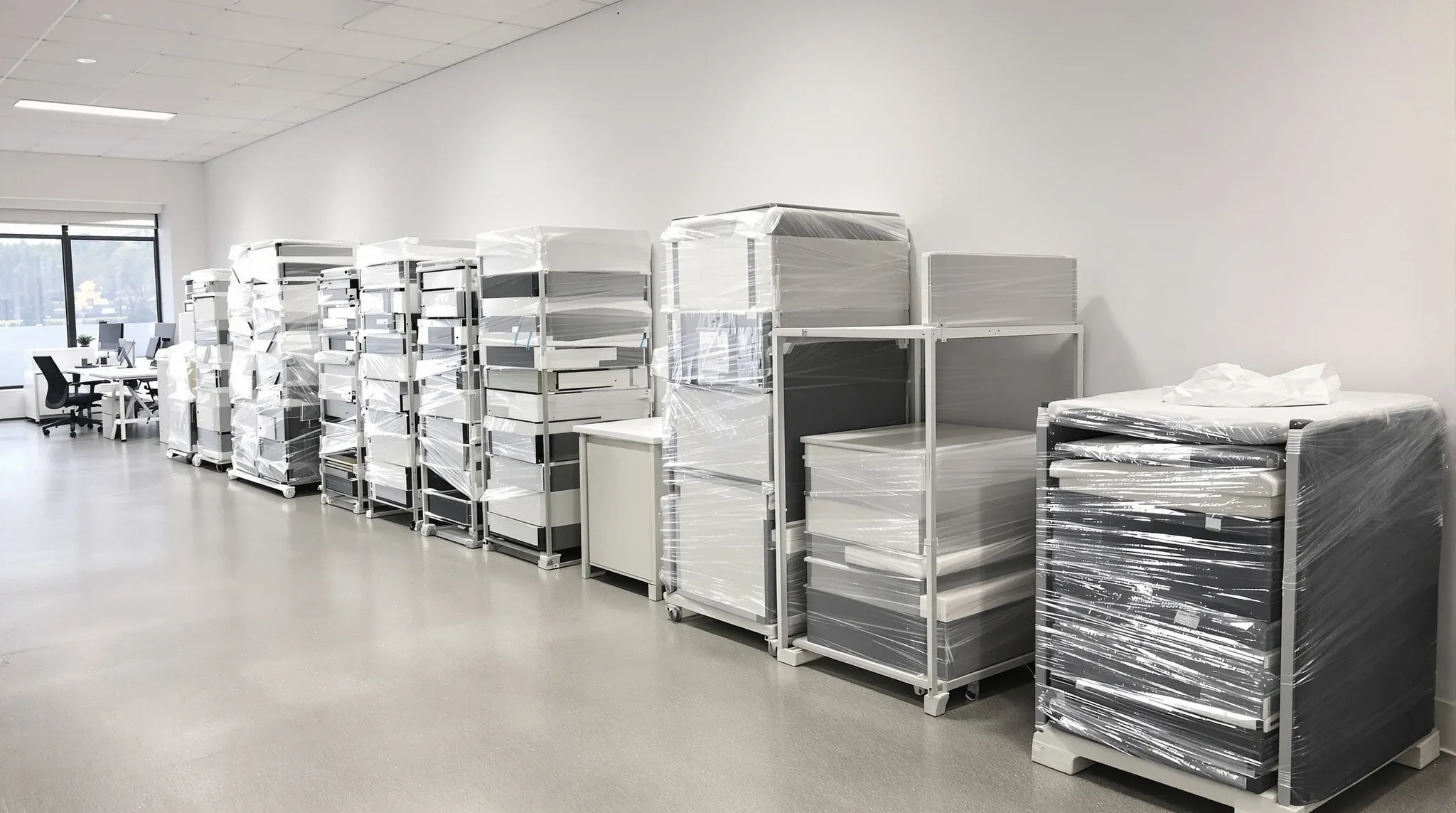
  • Office chairs and desks wrapped in clear film and lined up for reuse on a stripped floor
    Make Good & Defit

    How to Manage a Defit and New Fitout at the Same Time

    Running a defit at the old office and a new fitout at the new office at the same time is the reality for most Sydney tenants who are relocating. Lease overlap costs money whether you use it or not, so the pressure to start the new fitout before the old tenancy is fully handed back […]

  • A stripped office floor being reinstated, with patched walls and pallets of new carpet tiles ready to lay
    Make Good & Defit

    The Difference Between Strip-Out and Make Good

    Strip-out and make good appear in almost every commercial lease in Sydney, and they are treated as interchangeable terms in most conversations between tenants, agents, and landlords. They are not the same thing. A strip-out is a demolition scope: removing what the tenant installed. A make good is a reinstatement scope: returning the space to […]

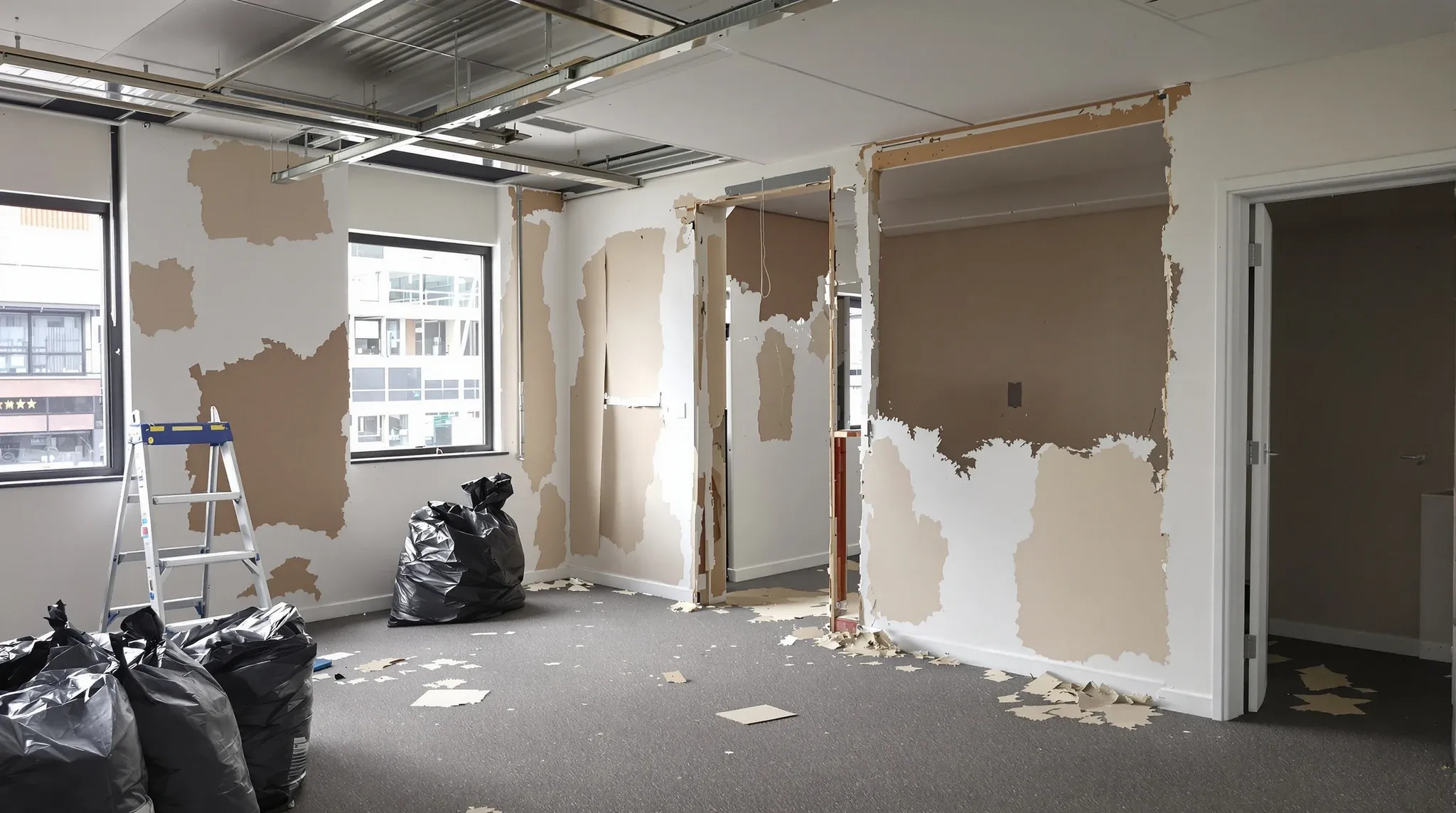
  • A small office left half stripped, with torn carpet tiles, a rough wall opening and hanging cables
    Make Good & Defit

    Why DIY Defits Usually Cost More in the End

    Self-managing a defit looks like a way to save money. The logic seems straightforward: why pay a contractor to pull out walls and clear a space when you can organise the labour yourself, hire a skip, and get it done for less? The answer, in almost every case, is that the apparent saving disappears once […]

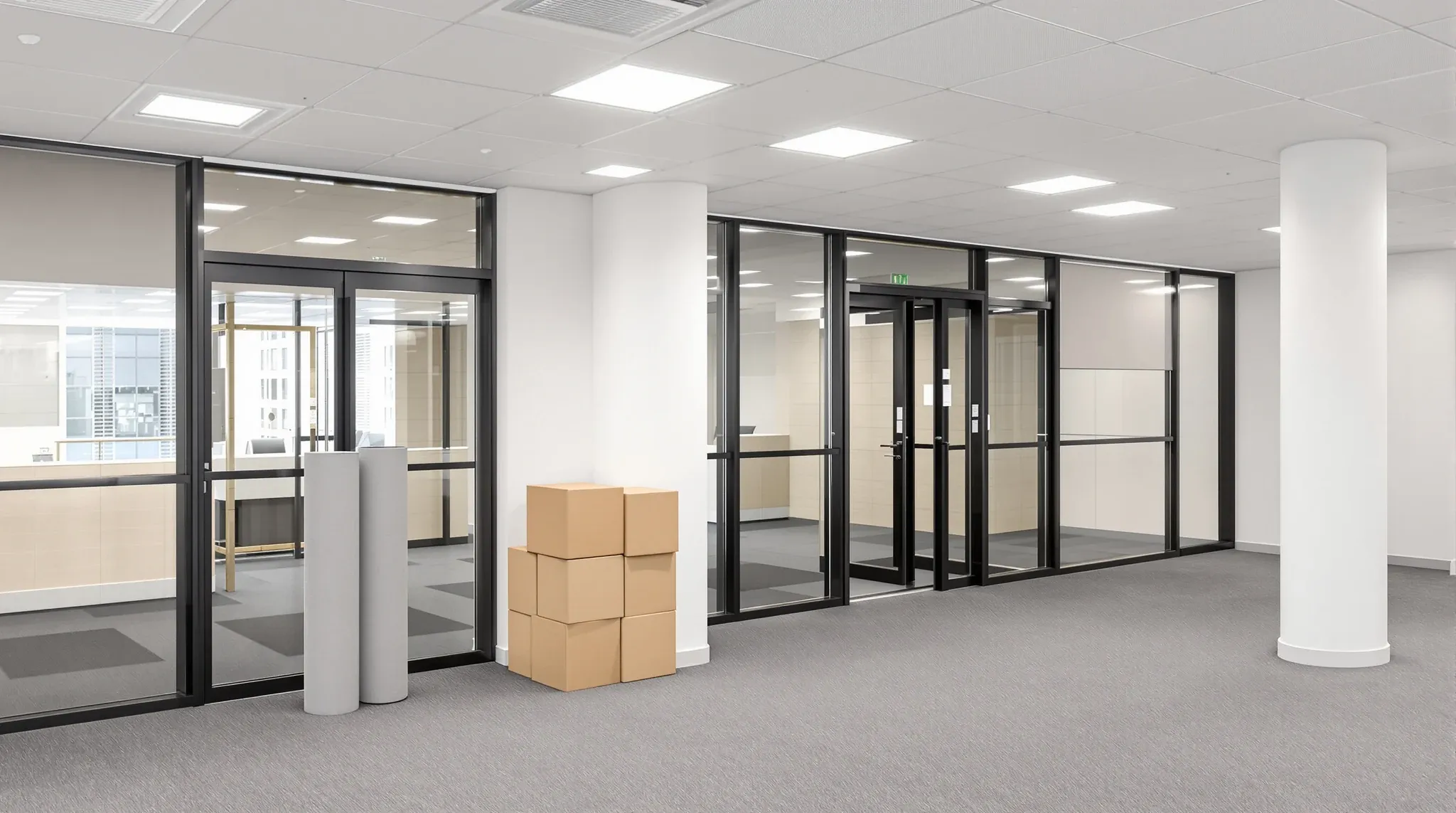
  • A returned, empty office tenancy by its glass entry doors, with floor protection rolled up and boxes stacked
    Make Good & Defit

    Who Pays For Make Good At The End Of A Lease In NSW?

    The financial side of make good catches many tenants off guard. The lease says the space needs to be returned to its original condition, and the cost of doing that work falls somewhere between the tenant and the landlord depending on how the lease is structured, what has been negotiated, and what happens during the […]

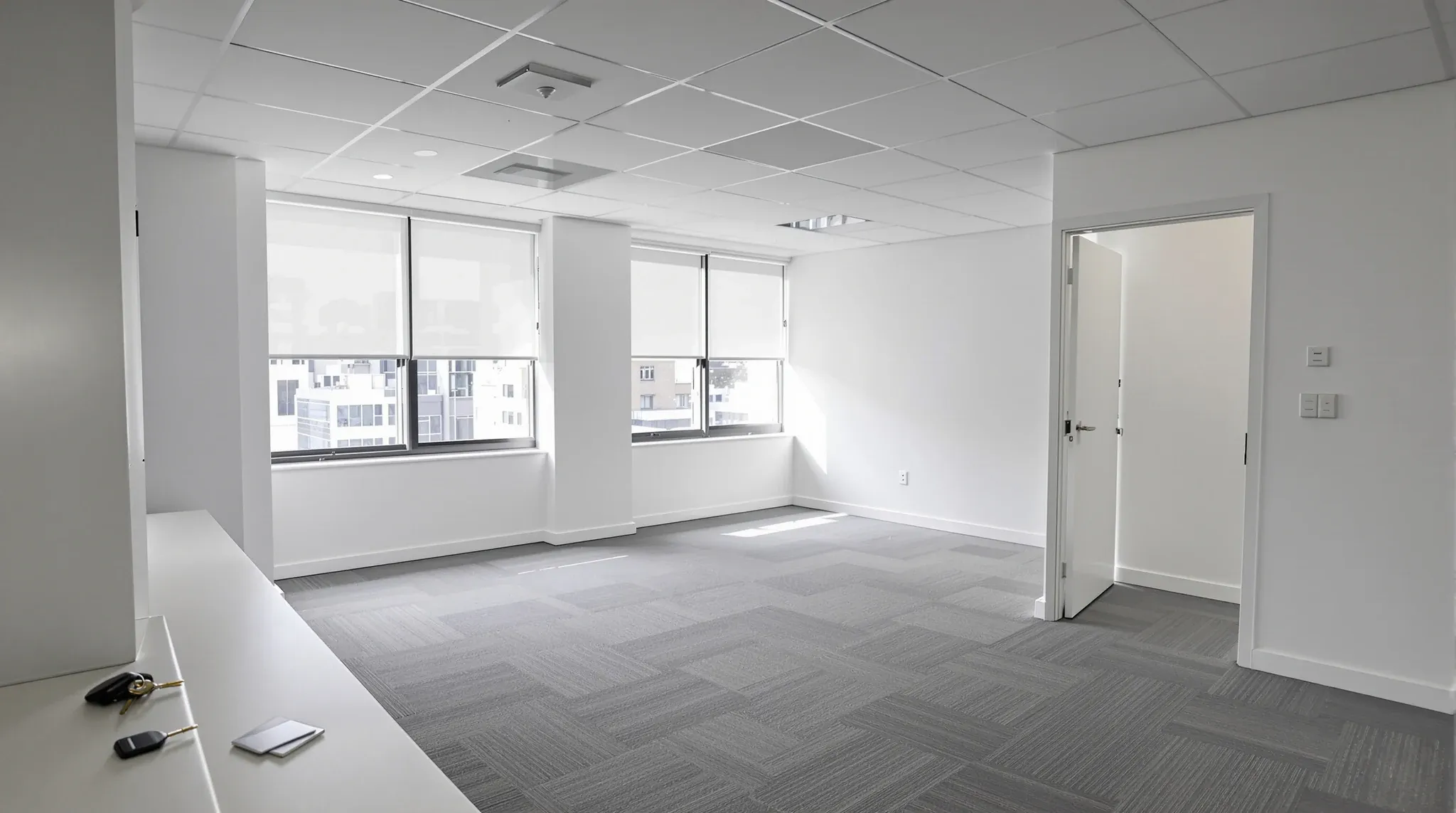
  • Keys and access cards left on the windowsill of a clean, empty office suite handed back at lease end
    Make Good & Defit

    A NSW Commercial Lease Guide On Make Good Obligations

    Make good obligations in NSW commercial leases sit within a legal framework that gives landlords significant protection but also provides tenants with more room to negotiate than many realise. The obligations are primarily contractual, meaning they are shaped by what the lease says rather than by a single piece of legislation. But the broader legal […]

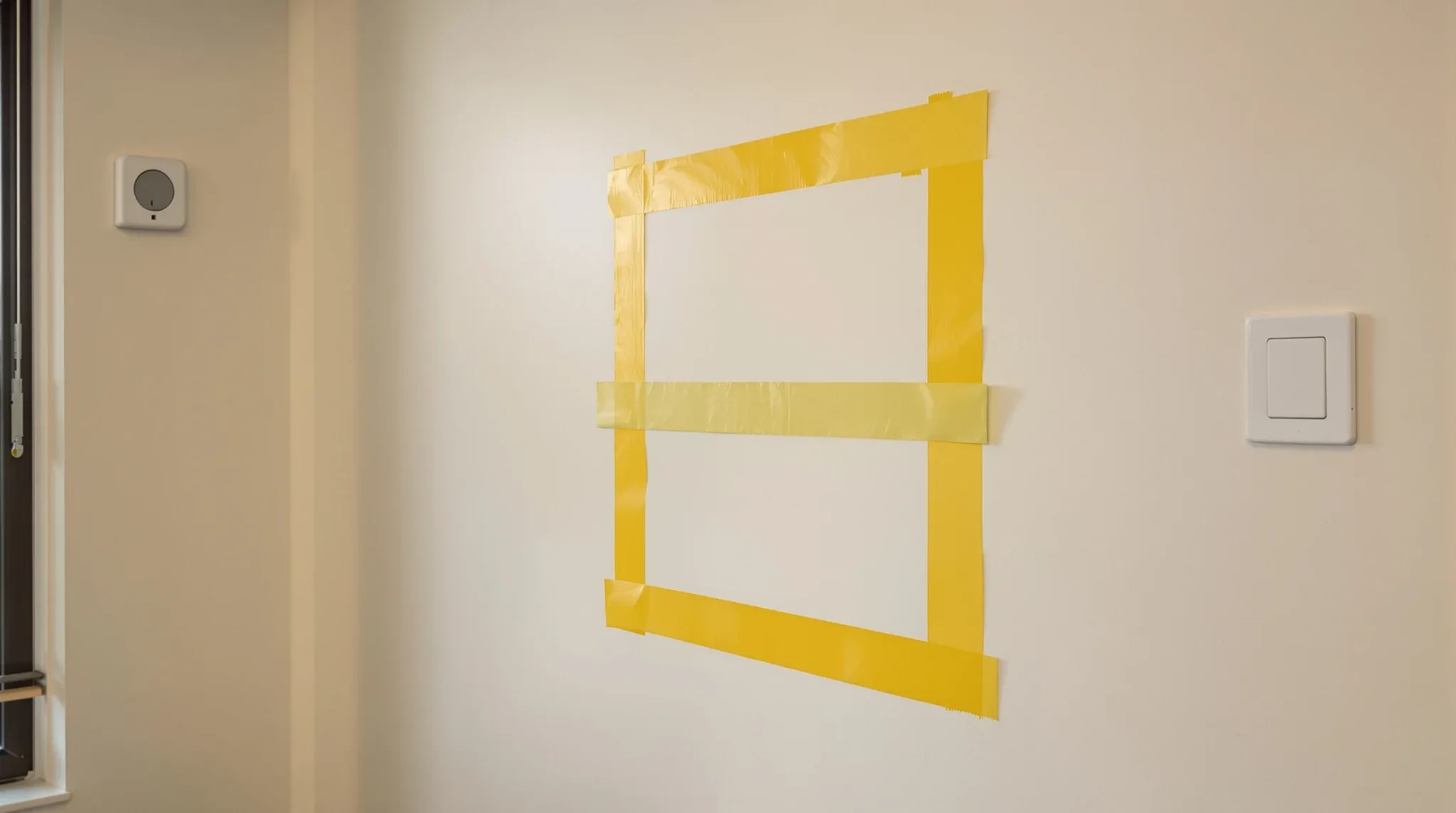
  • Yellow tape marking a new opening on an office wall that already has power and data outlets
    Make Good & Defit

    Modifying Plasterboard Partitions After Services Are Installed

    Modifying a plasterboard wall that already has services running through it is a different exercise from building one. When the wall was first constructed, the framing was open, the services could be routed cleanly, and everything was accessible before the linings went on. Once the plasterboard is in place, the wall becomes a sealed cavity […]

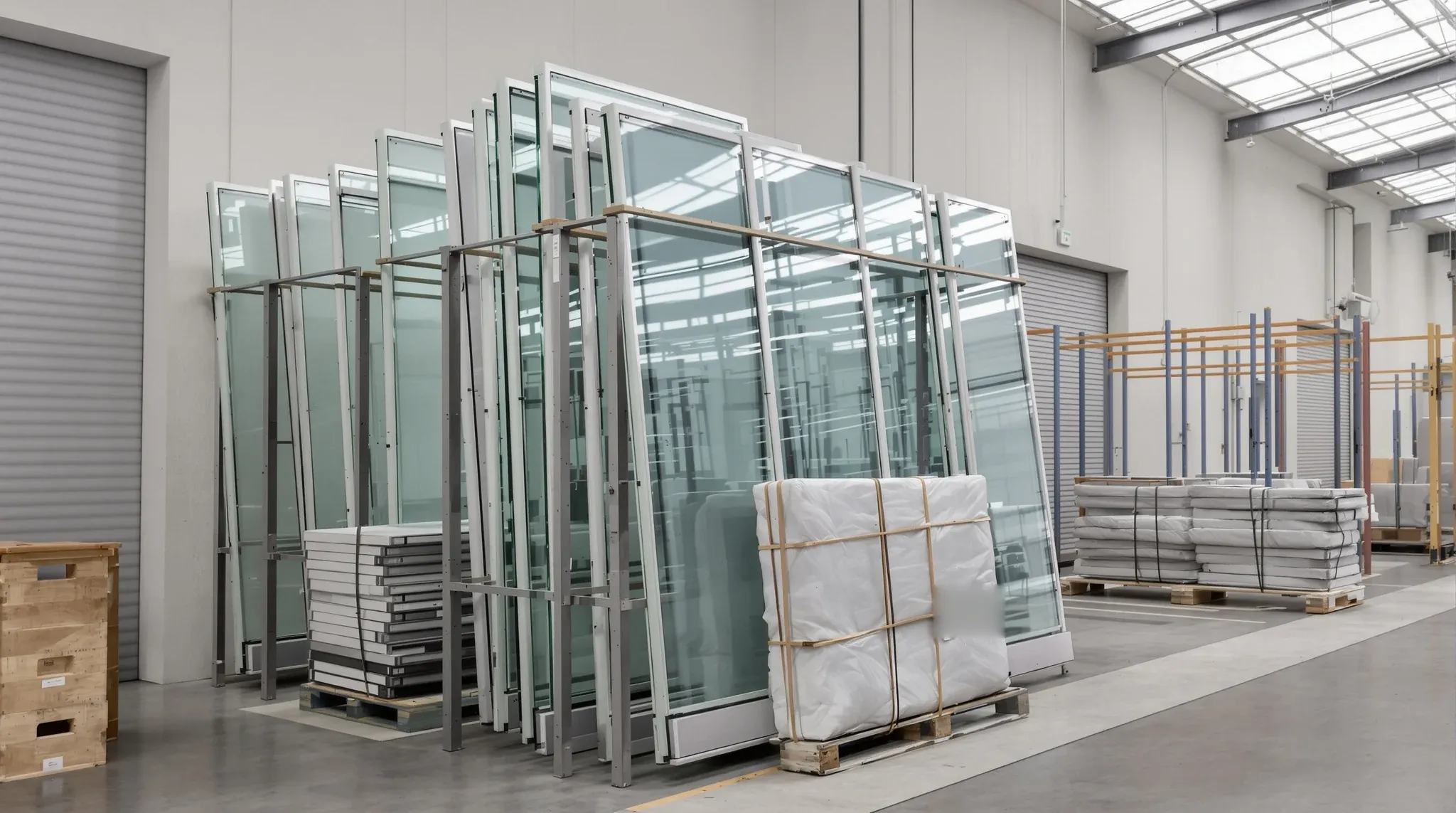
  • Salvaged glass partition panels wrapped in blankets and strapped into a steel stillage in a storage warehouse
    Make Good & Defit

    Reusing Glass Partitions After Lease Expiry: What Actually Works

    The idea of reusing glass partitions from one office in another is appealing. Glass is expensive to buy, the environmental argument for reuse is straightforward, and a tenant moving to new premises might assume that the glass system they paid for five years ago can simply be taken down, transported, and reinstalled. In practice, the […]

  • An empty small office mid make good, with floor protection over new carpet and fresh paint
    Make Good & Defit

    Make Good Works Explained for Tenants

    If you have never dealt with commercial property before, the term make good probably means very little. It sounds like it should be simple, and in concept it is: when your office lease ends, you are expected to put the space back to the condition it was in before you moved in. In practice, the […]

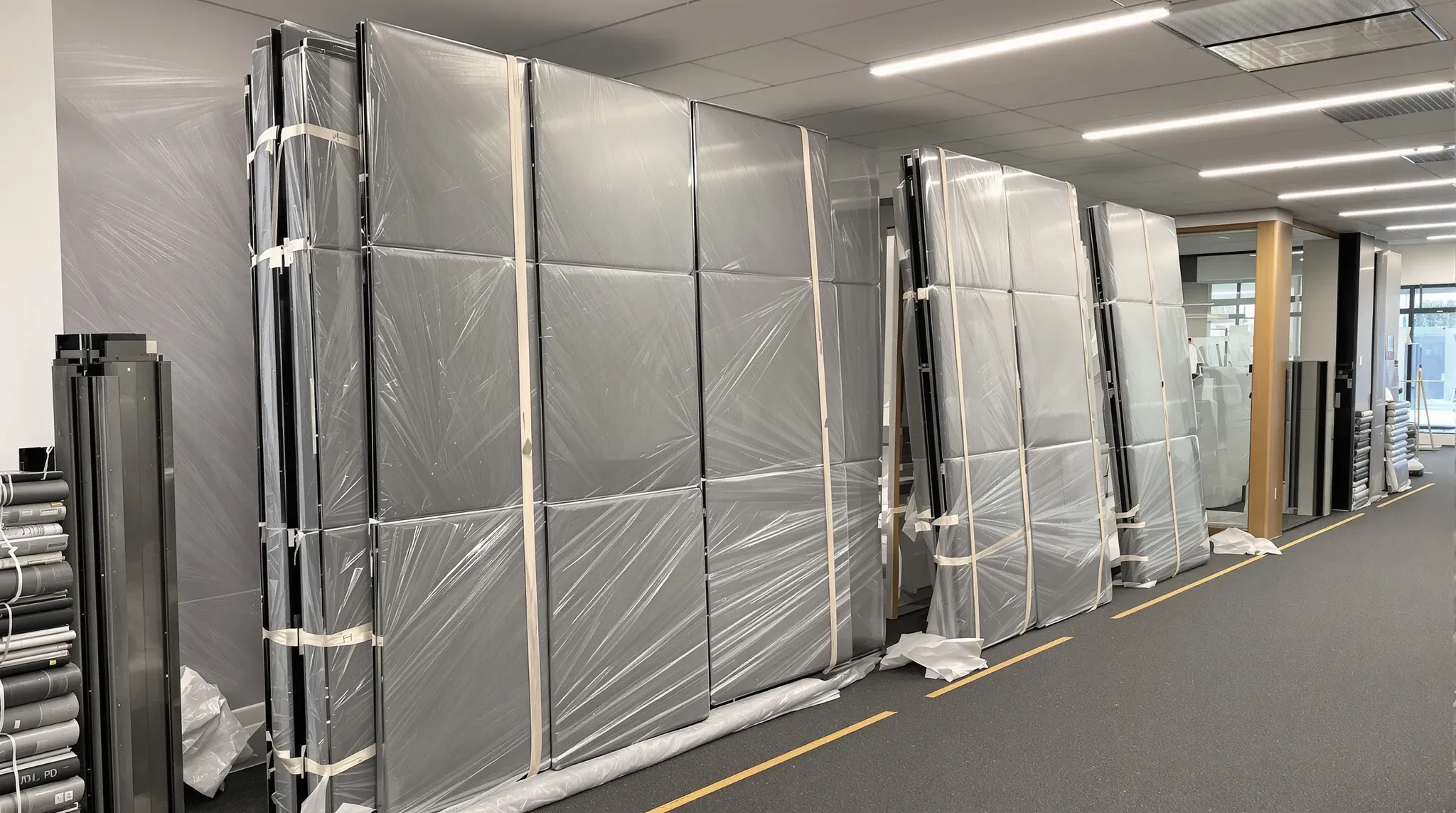
  • Removed glass partition panels wrapped in grey blankets on a padded stillage in a stripped office
    Make Good & Defit

    How to Remove Glass Partitions During Make Good Works

    Removing glass partitions during a make good is not the reverse of installing them. The installation process follows a controlled sequence – framing goes in first, glass panels are lifted into channels or clamps, seals are applied, and the system is commissioned. Removal has to account for the weight and fragility of the glass, the […]

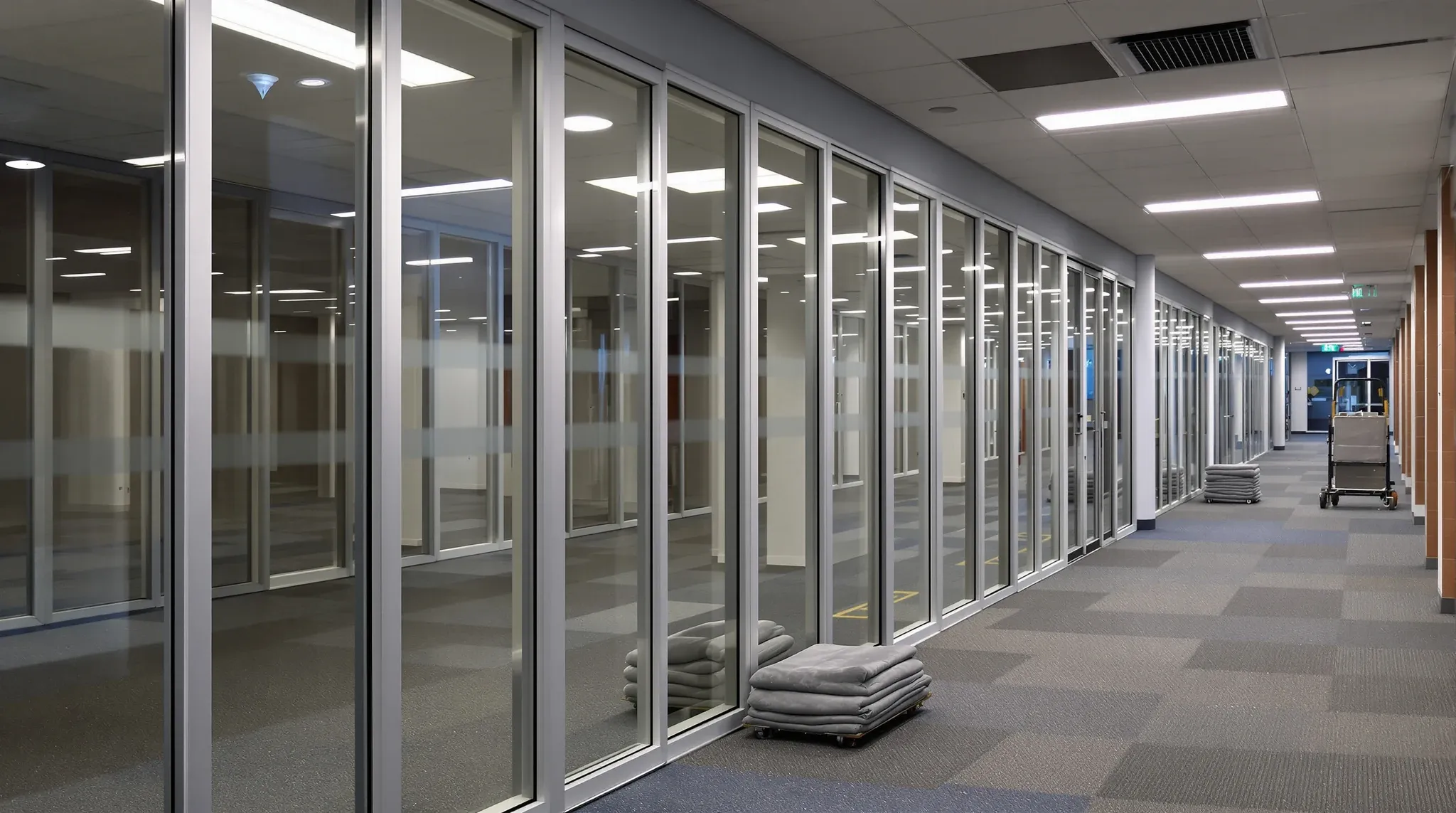
  • A row of empty glass-fronted offices in a vacated tenancy, cleaned and cleared of furniture
    Make Good & Defit

    What Happens to Glass Offices at the End of Lease?

    When a glass-fitted office reaches lease end, a sequence of decisions and deadlines begins that most tenants have not thought about in detail. The glass partitions that defined the workspace for years now need to be assessed, discussed with the landlord, and either removed or formally agreed to stay. That process does not happen in […]

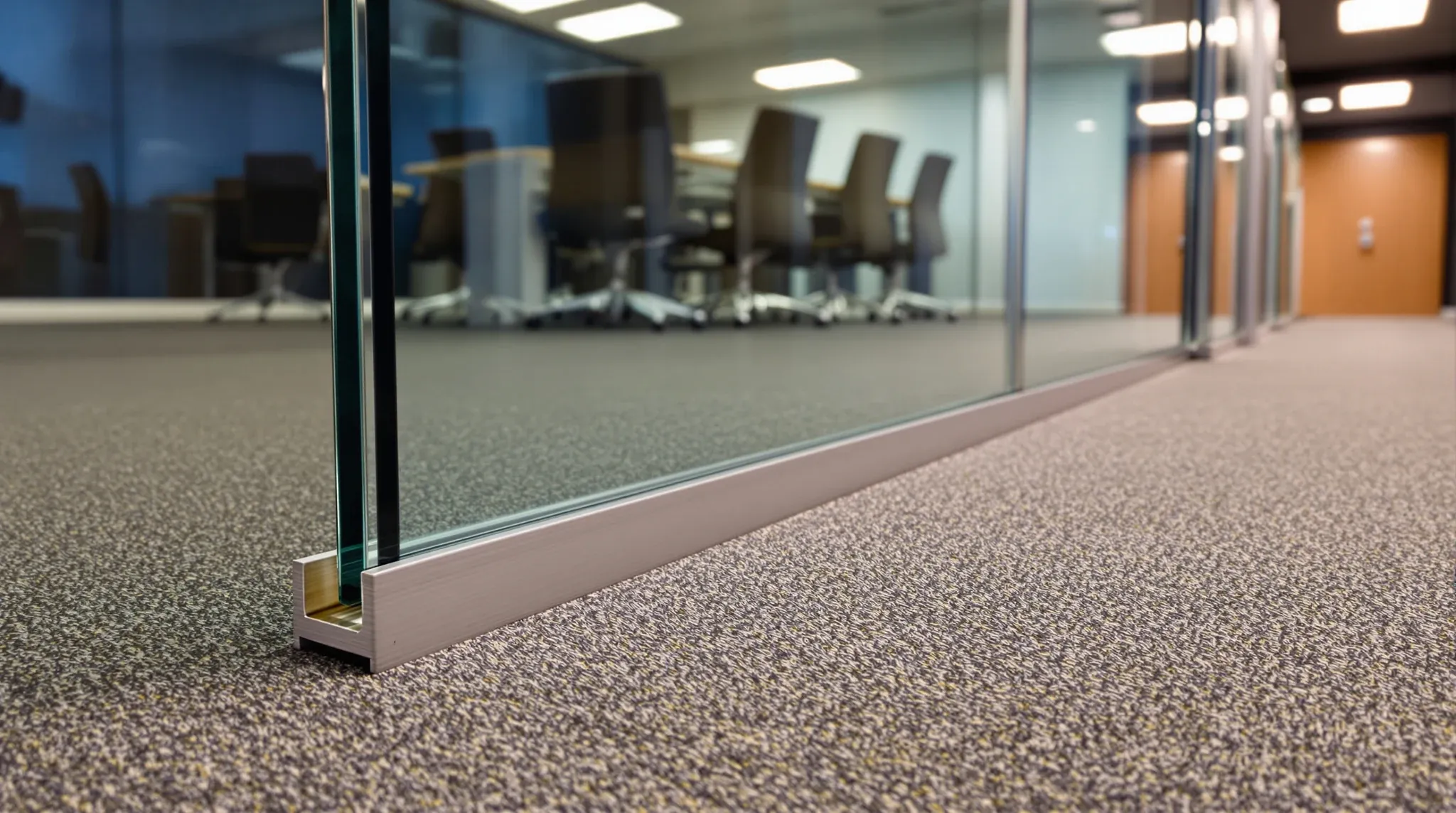
  • The floor channel of a frameless glass partition on worn carpet in a vacated office
    Make Good & Defit

    Glass Partitions and End of Lease Make Good Obligations

    Glass partitions occupy an unusual position in the make good conversation. Unlike plasterboard walls, which are clearly tenant fitout and universally expected to be removed at lease end, glass partitions sometimes fall into a grey area. They can add value to a space in ways that other fitout elements do not, and in some cases […]

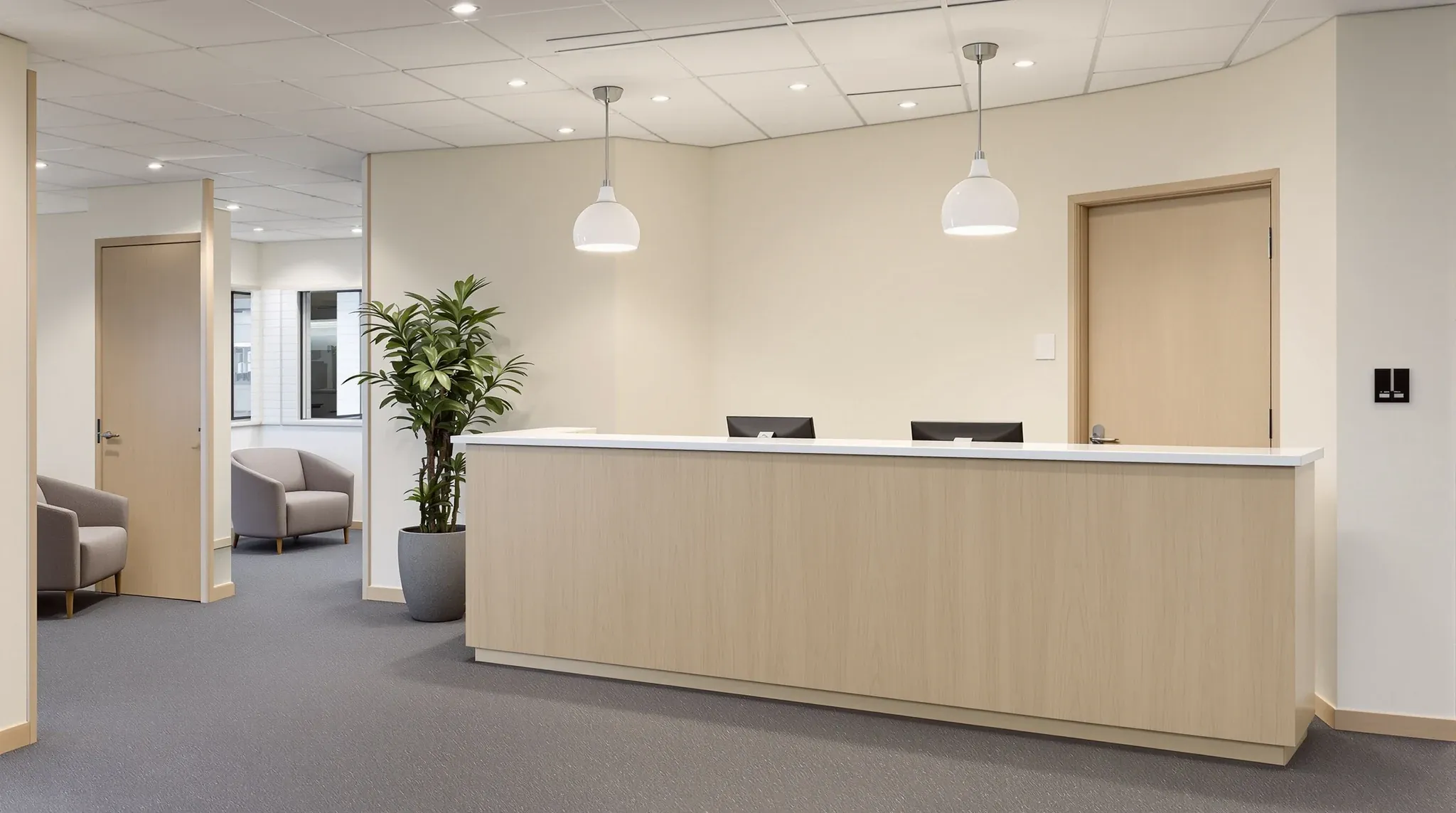
  • A modest refurbished office reception with an oak counter, limewash wall and two pendant lights
    Make Good & Defit

    Office Refurbishment Services to Upgrade Your Workplace

    Not every office that feels outdated or underperforming needs a full renovation. In many cases, the layout is fundamentally sound, the partition framework works, and the services infrastructure has capacity to spare. What has deteriorated is the condition of the finishes, the functionality of certain elements, and the overall impression the space makes on the […]

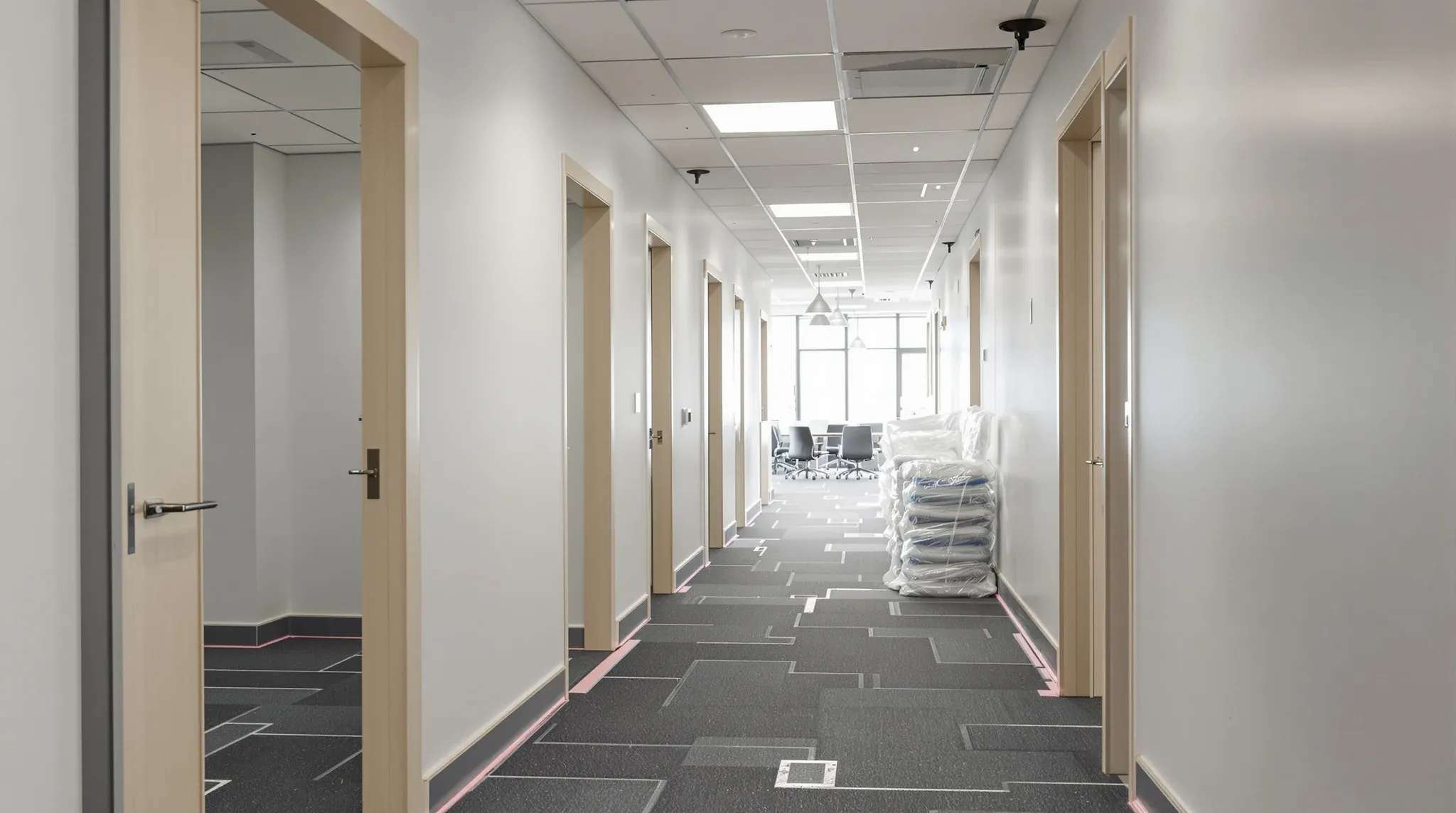
  • A newly renovated office corridor with fresh walls, protective film on the doors and wrapped chairs stacked
    Make Good & Defit

    Office Renovation Services for Modern Workplaces

    An office renovation goes further than swapping out finishes or updating the furniture. It is a structural and layout intervention that changes the way the space works, reconfiguring walls, services, and circulation to bring an ageing or underperforming office into line with how the business actually operates today. Where a cosmetic refresh deals with surfaces, […]

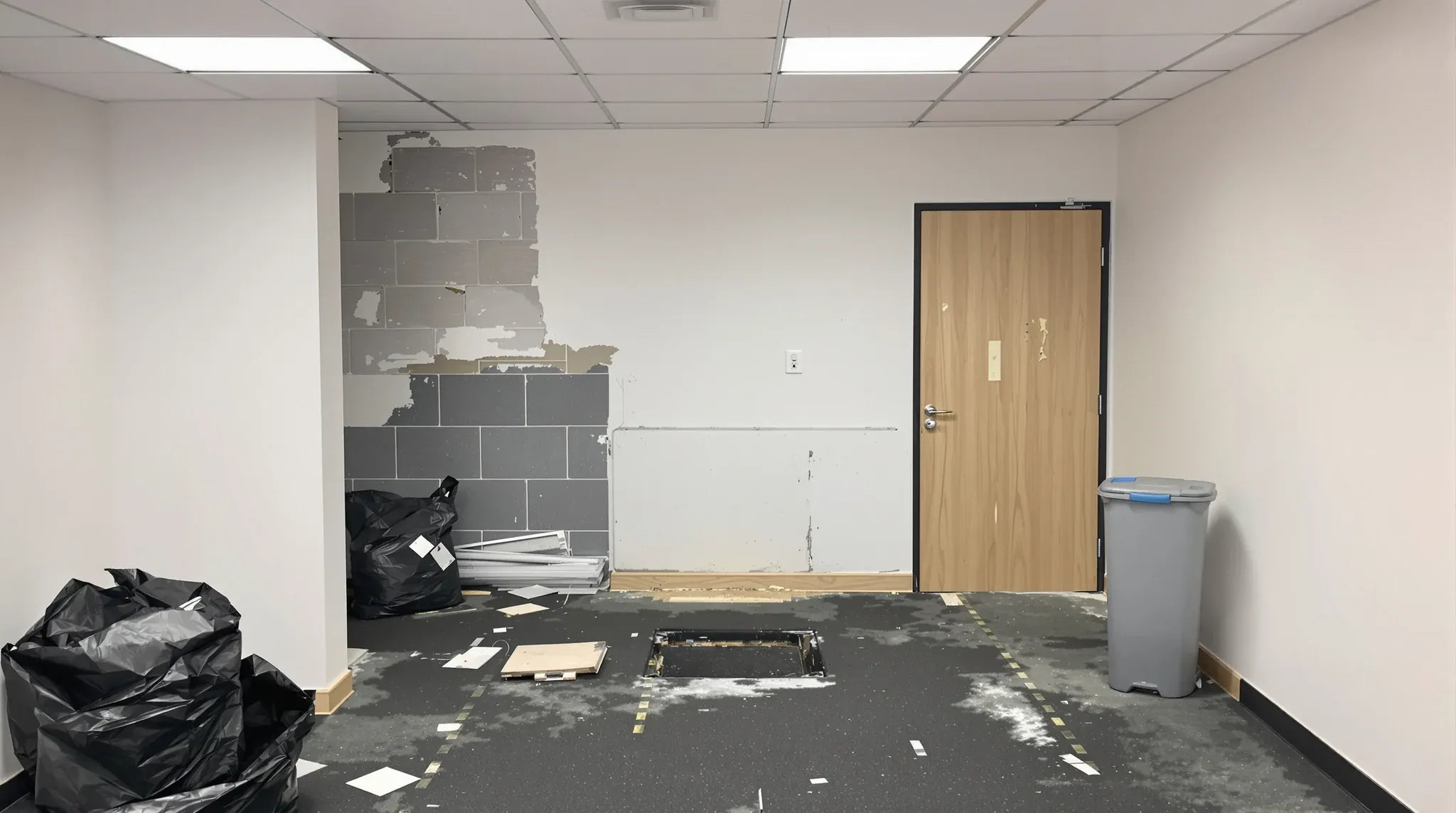
  • A small older office part-way through a defit, with carpet tiles lifted, old adhesive showing and bin bags
    Make Good & Defit

    Why Defits Expose Every Shortcut Ever Taken in an Office Fit-Out

    Every fitout looks presentable from the front. Painted walls, finished ceilings, neat skirting lines, and cable-managed workstations create an impression of thoroughness that can last the entire lease term. It is only when those walls come down during a defit that the real story of how an office was built begins to emerge, and for […]

  • A stripped office floor during a defit, with removed tiles stacked on pallets and one worker sweeping
    Make Good & Defit

    The Defit: The Most Misunderstood Phase of an Office Lifecycle

    The defit phase of a commercial lease is, for many tenants, the first time they discover what their obligations actually require. It sits at the end of an occupancy cycle that might have spanned five, seven, or ten years, and it arrives with a set of expectations that most businesses have never tested. The result […]

  • A mezzanine office with windows along a steel walkway inside a warehouse
    Make Good & Defit

    Mezzanine Office Builds Sydney

    Adding a mezzanine office to a warehouse or industrial building is one of the more practical ways to create dedicated workspace without giving up ground-floor operational area. Rather than partitioning off a section of the warehouse floor and losing usable space at grade, a mezzanine puts the office above the action, preserving the full footprint […]

  • An empty office floor in an older tower, returned to base building condition with new carpet
    Make Good & Defit

    Commercial Make Good Office Sydney

    Make good obligations exist in every commercial lease, but the practical reality of what they require varies significantly depending on where in Sydney the tenancy sits, what kind of building it occupies, and what the landlord or managing agent expects at handover. A make good clause that reads identically in two leases can produce very […]

  • A cleared office tenancy at dusk with rolled floor protection stacked by the entry, ready to hand back
    Make Good & Defit

    What a Managed End-of-Lease Office Defit Covers

    Bringing in a defit team at the end of a lease is not the same as hiring someone to pull out walls. The scope of a proper defit engagement extends well beyond physical demolition, and the difference between a managed strip-out and an ad hoc removal effort usually shows up in the final inspection, the […]

  • A long oak bench along an office window line with two people working, seen from behind
    Make Good & Defit

    How to Redesign an Office Without Adding More Space

    When a growing team starts feeling cramped, the first instinct is to look for more space. But moving to larger premises is expensive, disruptive, and may not be necessary. In many commercial offices, the space itself is not the problem. The layout is. Corridors that serve no purpose, meeting rooms sized for twelve people that […]

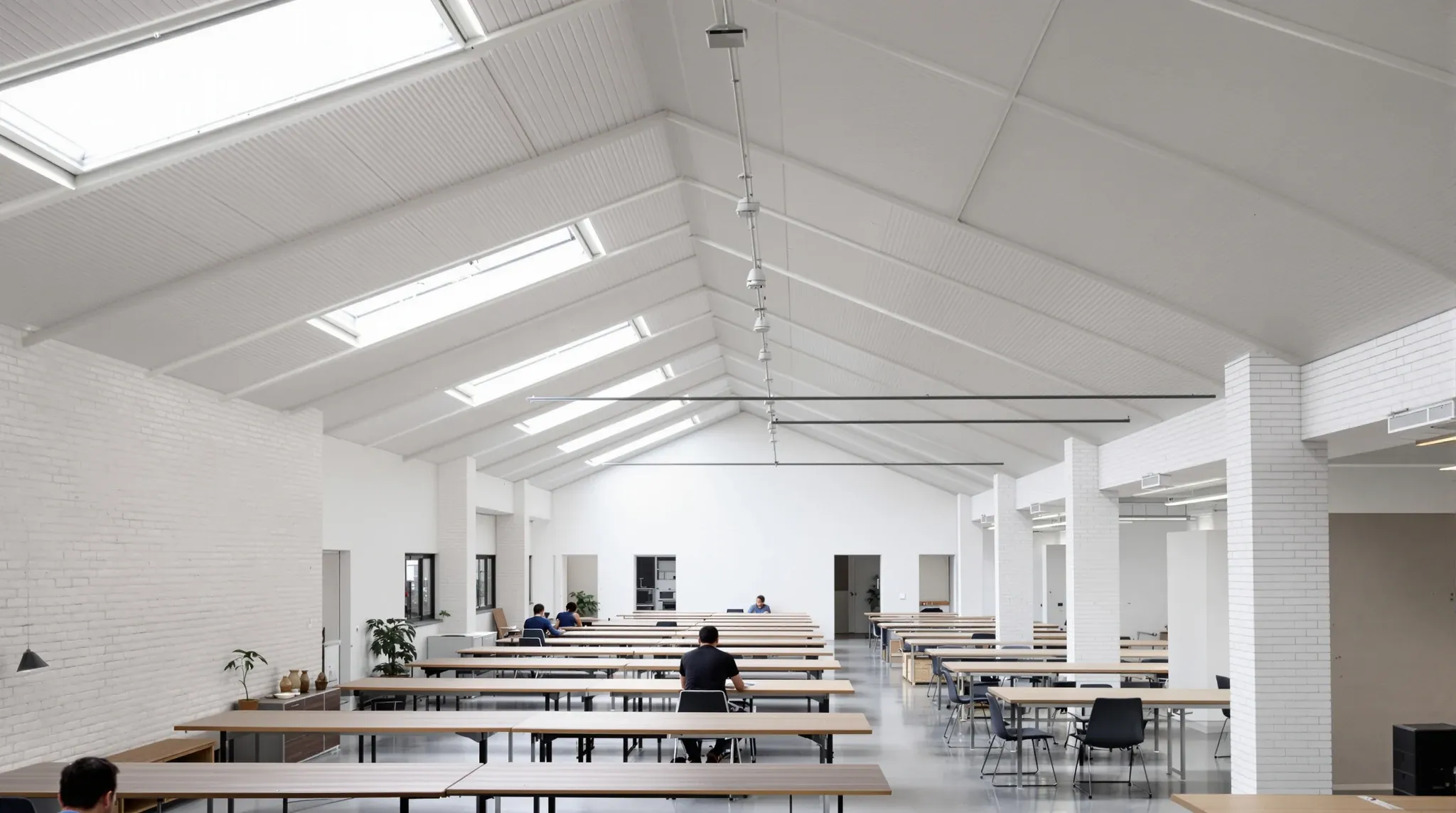
  • A converted sawtooth-roof factory with desks under strip skylights and plasterboard rooms along one wall
    Make Good & Defit

    Converting a Warehouse to Office Space in Sydney

    Converting a warehouse into functional office space is one of the more complex fitout decisions a Sydney business can face. Unlike a standard commercial tenancy where the base building already supports office use, a warehouse conversion starts with a structure that was designed for storage, logistics, or light manufacturing. That gap between what exists and […]

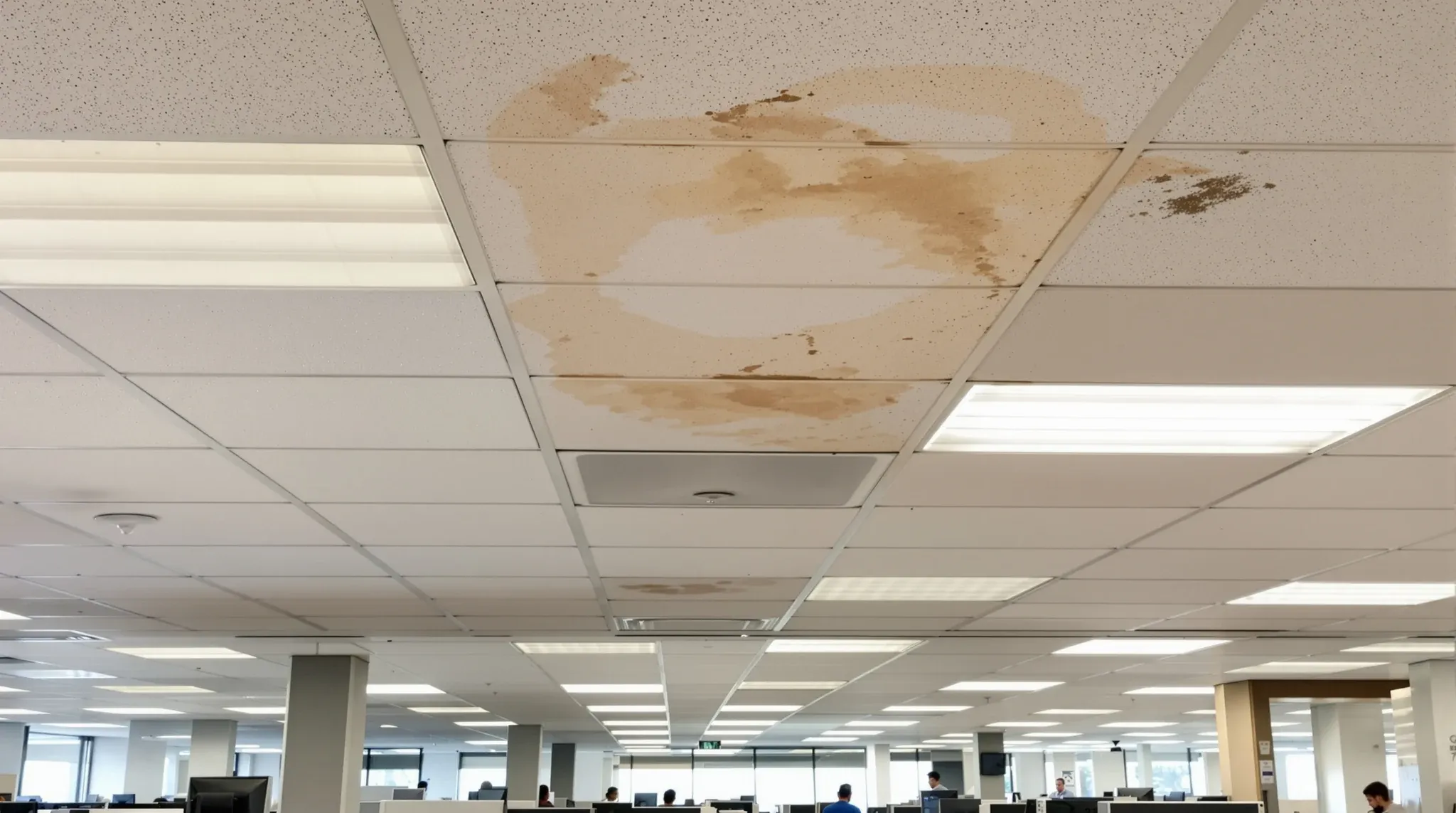
  • A water-stained and misaligned ceiling tile above a desk in a well-used office
    Make Good & Defit

    Office Fit-Out Maintenance & Upgrades

    An office fitout does not stop performing on the day it is handed over. It starts performing, and over the following years it gradually wears, ages, and shifts in ways that are predictable if you know what to look for. The businesses that get the most value from their fitout are the ones that treat […]

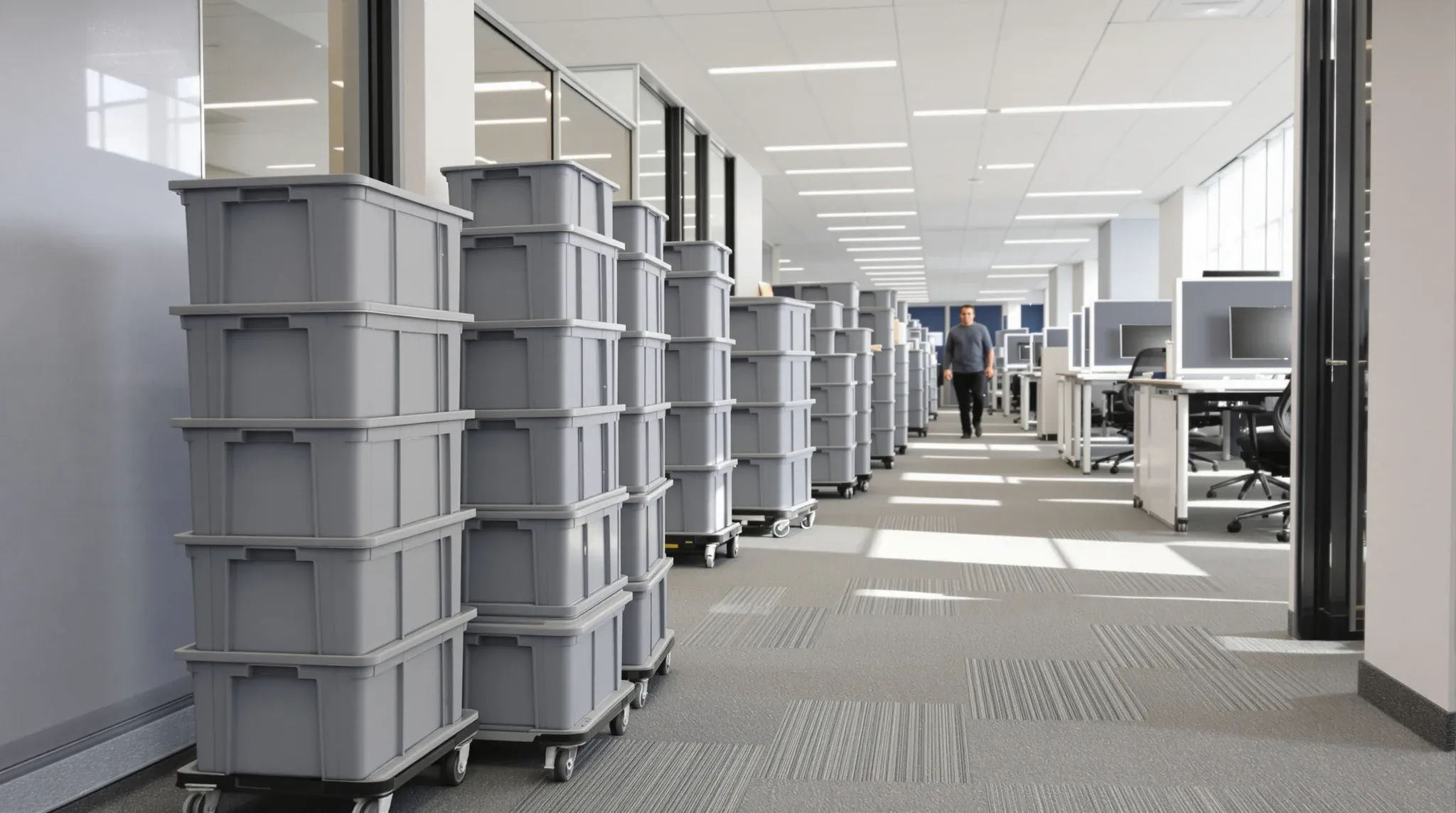
  • Grey moving crates stacked on dollies between new workstations on move-in morning
    Make Good & Defit

    How to Plan a Smooth Office Relocation and Fit-Out in Sydney

    An office relocation involves more moving parts than most businesses anticipate until they are in the middle of one. The fitout of the new space has to be designed, approved, and built. The old space has to be vacated and restored. The staff have to move without losing more than a day or two of […]

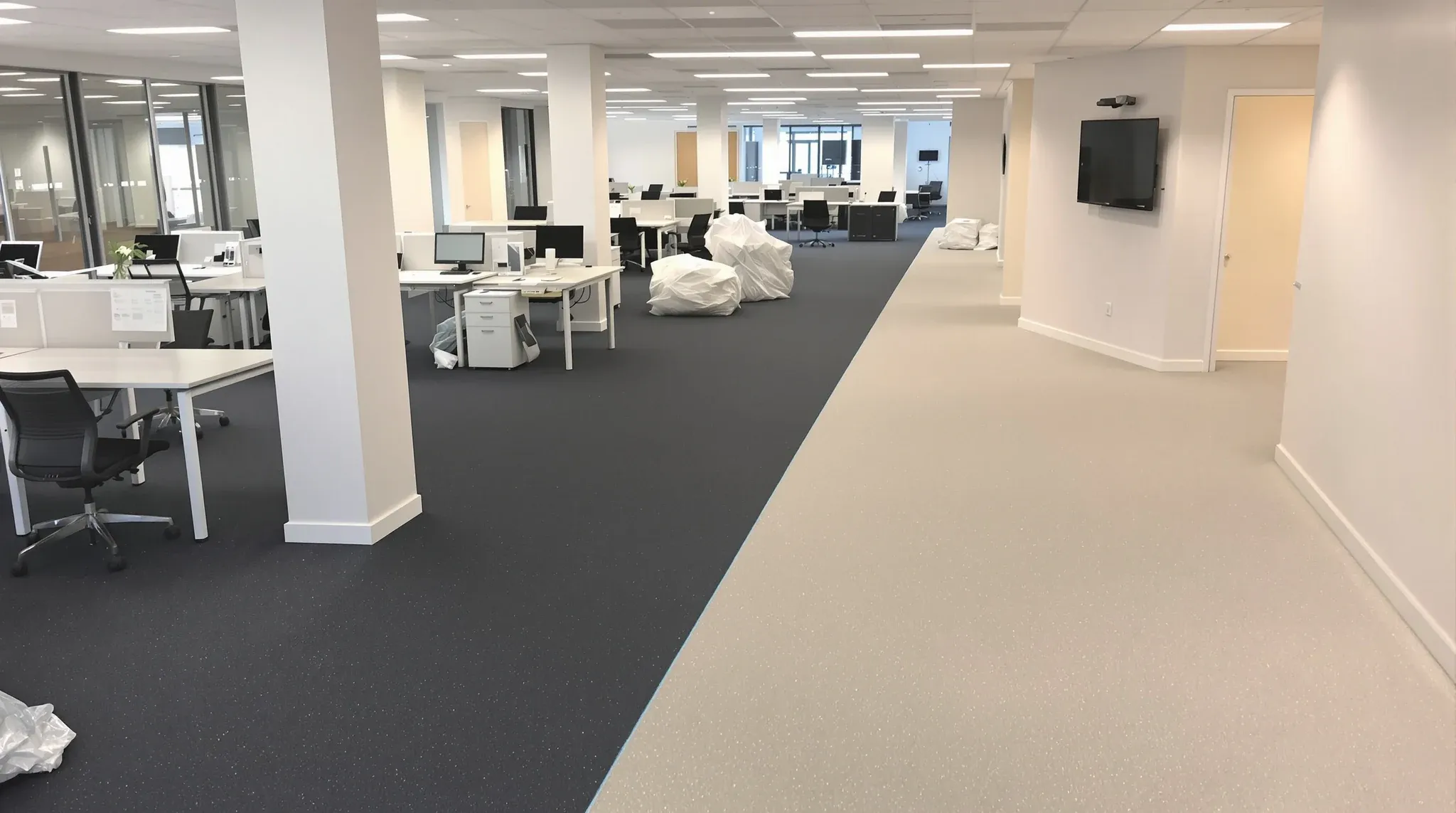
  • New charcoal carpet meeting old blue carpet in a straight line across an office being refurbished
    Make Good & Defit

    Office Refurbishment vs Fit-Out: What’s the Difference and Which Do You Need?

    The terms refurbishment and fitout are used interchangeably in casual conversation, but they describe different scopes of work with different cost profiles, different timelines, and different implications for how a business operates during and after the project. Getting the distinction right matters because it affects what you are buying, what approvals you need, how long […]

Call nowGet a quote