
An office fitout does not stop performing on the day it is handed over. It starts performing, and over the following years it gradually wears, ages, and shifts in ways that are predictable if you know what to look for. The businesses that get the most value from their fitout are the ones that treat it as an asset requiring periodic attention, rather than a one-off project that is finished and forgotten.
Maintenance and incremental upgrades are not about rebuilding what already exists. They are about keeping the fitout functional, presentable, and compliant over the lease term, so that the space continues to serve the business rather than slowly working against it. Done well, ongoing maintenance also reduces the cost and complexity of the eventual make good, because a well-maintained fitout leaves less to restore when the lease ends.
Why Fitouts Need Ongoing Attention After Handover
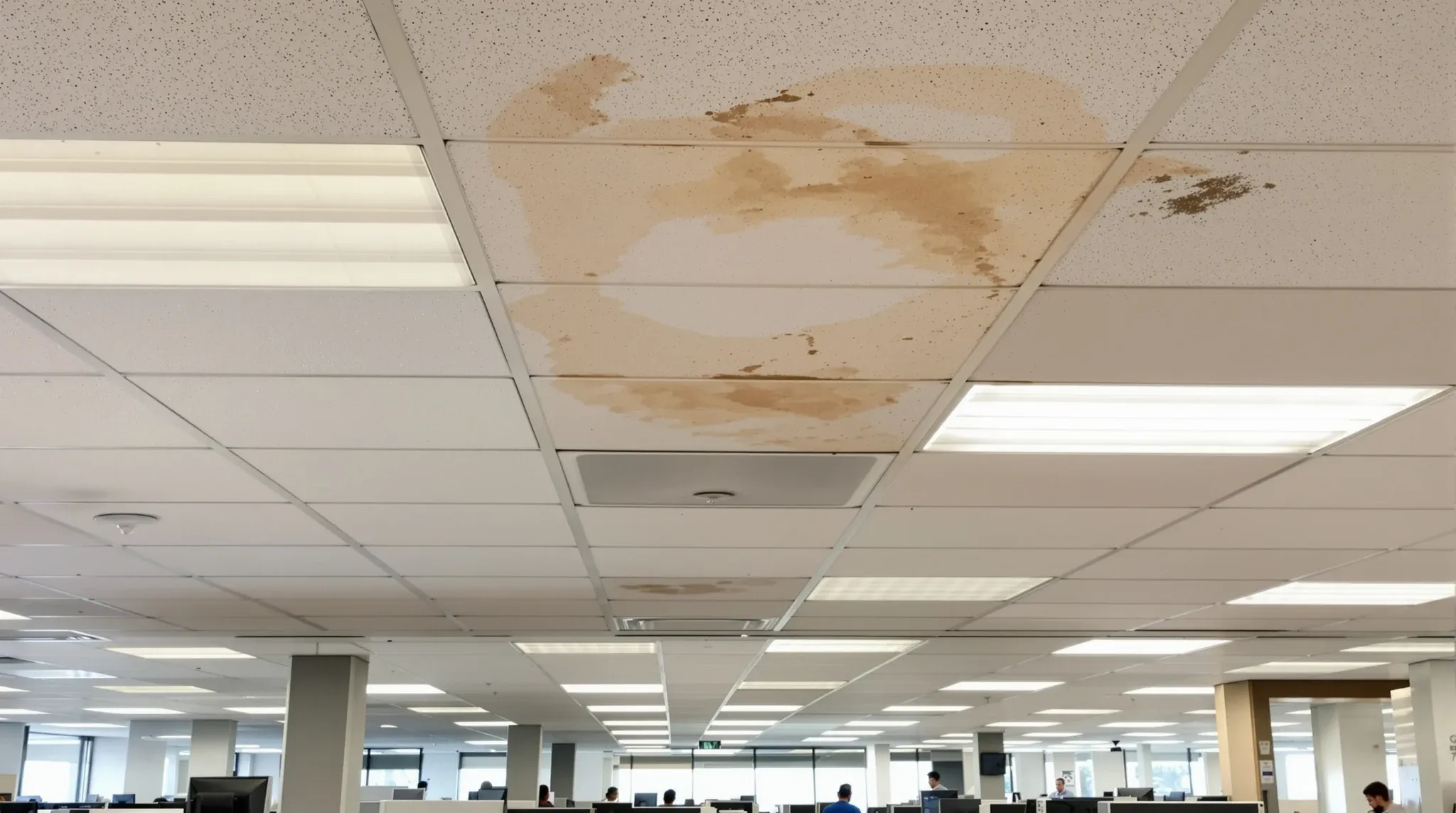
A new office fitout feels perfect on day one. The paint is fresh, the carpet is clean, the glass is spotless, and everything works as intended. Within twelve months, the reality of daily use starts to change that picture. Carpet shows traffic patterns. Paint shows scuff marks in high-contact areas. Door hardware loosens from daily use. Ceiling tiles develop small stains from condensation above. These are not defects; they are the natural consequences of a space being used by people every day.
The risk of ignoring these early signs is that they compound over time. A scuff mark at twelve months becomes a worn patch at three years. A loose door handle at twelve months becomes a misaligned door at three years. New offices need settling time to reveal how the space is actually used, and the first year of occupancy is the best time to identify the maintenance items that will need attention throughout the lease.
Ongoing attention does not require large budgets or major interventions. It requires a systematic approach that identifies wear before it becomes damage, addresses small issues before they become expensive ones, and keeps the fitout performing at the level the business needs.
What Wears Out First in a Commercial Office
The elements that wear fastest in a commercial fitout are the ones that experience the most contact: floor coverings, door hardware, paint in high-traffic zones, and soft furnishings. These are also the elements that most visibly affect how the office feels, which is why addressing them early has a disproportionate impact on the quality of the working environment.
Carpet tiles in main circulation routes and around workstation clusters show wear within two to three years of a new fitout. The pile flattens, colours fade slightly, and in some cases individual tiles shift or lift where adhesive has failed. Spot-replacing worn tiles is straightforward when the original tiles are still available from the manufacturer, but it becomes more difficult if the product has been discontinued, which is a common issue for fitouts that are more than five years old.
Door hardware is the second most common maintenance item. Pivot doors on glass partition systems require periodic adjustment to maintain their alignment. Hydraulic closers lose pressure over time and need recalibration or replacement. Handles and locks on both glass and solid doors loosen from daily use and need tightening. None of these are expensive repairs individually, but left unaddressed they create a cumulative impression of a space that is not being looked after.
Ceiling and Lighting Maintenance That Gets Overlooked
Ceiling systems are the most commonly overlooked maintenance item in a commercial office, primarily because they are above eye level and people stop noticing them unless something obvious goes wrong. But ceiling tiles discolour over time, particularly above areas with high HVAC airflow or where tiles have been disturbed for maintenance access. Grid components can sag where tiles have been removed and replaced multiple times, and light diffusers yellow with age, reducing light output even when the lamps are working correctly.
Lighting maintenance is similarly neglected. LED panels have long rated lives, but their output diminishes gradually over years of use, and the colour temperature can shift. In offices where lighting quality matters for staff comfort and productivity, periodic assessment of light levels and replacement of underperforming fittings is a straightforward upgrade that makes a noticeable difference to the working environment.
Ceiling systems that include acoustic panels or specialised tiles need particular attention, because the acoustic performance of these products can degrade if tiles are damaged, displaced, or replaced with non-matching alternatives. Maintaining ceiling acoustic performance is especially important in open-plan environments where even small changes to the ceiling surface can affect noise levels.
When Partition Systems Need Attention
Plasterboard partitions are generally low maintenance, but they are not maintenance-free. Over time, settlement in the building structure can cause minor cracking at joints, particularly at junctions between partitions and the building’s structural elements. These cracks are cosmetic in most cases and can be repaired with filling and repainting during a maintenance cycle.
Glass partition systems require more regular attention. Cleaning and maintaining frameless glass systems involves more than just wiping down the panels. Seals between glass panels deteriorate over time and may need replacement. The channel between glass and floor accumulates dust and debris that can affect the seal’s performance. Manifestation markings on glass doors and full-height panels need to be checked periodically to ensure they remain visible and compliant.
For both glass and plasterboard, the most common maintenance trigger is a change in how the space is used. A meeting room that was originally used for four people but now regularly holds eight will show more wear on its door hardware, more scuff marks on its walls, and potentially more strain on its HVAC performance. Recognising that increased use requires increased maintenance prevents small issues from becoming visible problems.
Floor Coverings: Maintenance vs Replacement Timing
Floor coverings have a defined lifespan in a commercial environment, and the decision about whether to maintain, spot-replace, or fully replace depends on the age of the covering, the extent of wear, and the remaining lease term. Professional cleaning can extend the life of carpet tiles by one to two years beyond their natural wear point, but there is a limit to what cleaning can achieve once the pile is compressed and the colour has faded from UV exposure and foot traffic.
Spot replacement works well when the wear is concentrated in specific zones, such as main walkways, kitchen entrances, and areas around reception. It requires access to matching replacement tiles, which is why keeping a stock of spare tiles at the time of the original fitout is worth the modest additional cost. Most carpet tile manufacturers will supply an additional 5 to 10 per cent for this purpose.
Full replacement is typically warranted after five to seven years in a high-traffic office, or after seven to ten years in a lower-traffic environment. For tenants approaching the final two to three years of their lease, full floor replacement needs to be weighed against the make good obligation. Replacing flooring late in the lease may not deliver a return if the carpet needs to be removed again for the make good, but leaving visibly worn flooring in place affects staff morale and client perceptions.
Planning Incremental Upgrades Without a Full Rebuild
Incremental upgrades are modifications that improve specific aspects of the fitout without requiring a comprehensive redesign. They might include adding a small meeting room where open-plan space is underused, upgrading the kitchen or breakout area, improving acoustic treatment in a particular zone, or refreshing the reception area to reflect updated branding.
The key to successful incremental upgrades is treating them as considered decisions rather than reactive fixes. Each upgrade should be assessed for its impact on the existing layout, its interaction with building services, and its make good implication. Adding a new plasterboard partition mid-lease is a straightforward upgrade, but it adds to the defit scope at lease end. Adding acoustic panels to a ceiling zone may be a simpler intervention that delivers a similar outcome without the make good exposure.
Lessons from occupying a new fitout often reveal opportunities for incremental improvement that were not apparent during the design phase. Staff feedback after six to twelve months of occupancy is a valuable input for planning upgrades that address real rather than theoretical needs.
How Maintenance Reduces Make Good Costs Later
A well-maintained fitout is cheaper to make good than a neglected one. The logic is straightforward: surfaces that have been kept in good condition require less restoration work at lease end. Ceiling tiles that have been replaced as they wore are in better condition than tiles that were left for the entire lease term. Floor coverings that were spot-replaced and professionally cleaned present a better base for the make good assessment. Partition systems with tight seals and aligned doors require less remedial work before handover.
Maintenance also provides documentation that supports the fair wear and tear argument during the make good process. A tenant who can demonstrate a history of regular maintenance is in a stronger position to argue that remaining wear is fair and reasonable than a tenant who clearly did nothing for the duration of the lease.
The cost of ongoing maintenance over a five-year lease is typically a fraction of the cost of the additional make good work that neglect creates. As a practical rule of thumb, budgeting $5 to $15 per square metre per year for maintenance and minor upgrades keeps a fitout performing well and reduces the make good liability at lease end by a greater amount.
If your fitout is showing wear and you want practical advice on what to address now versus what can wait, we can review the space and recommend a maintenance programme that keeps it performing for the remainder of your lease.
Call us on 1300 60 93 93