
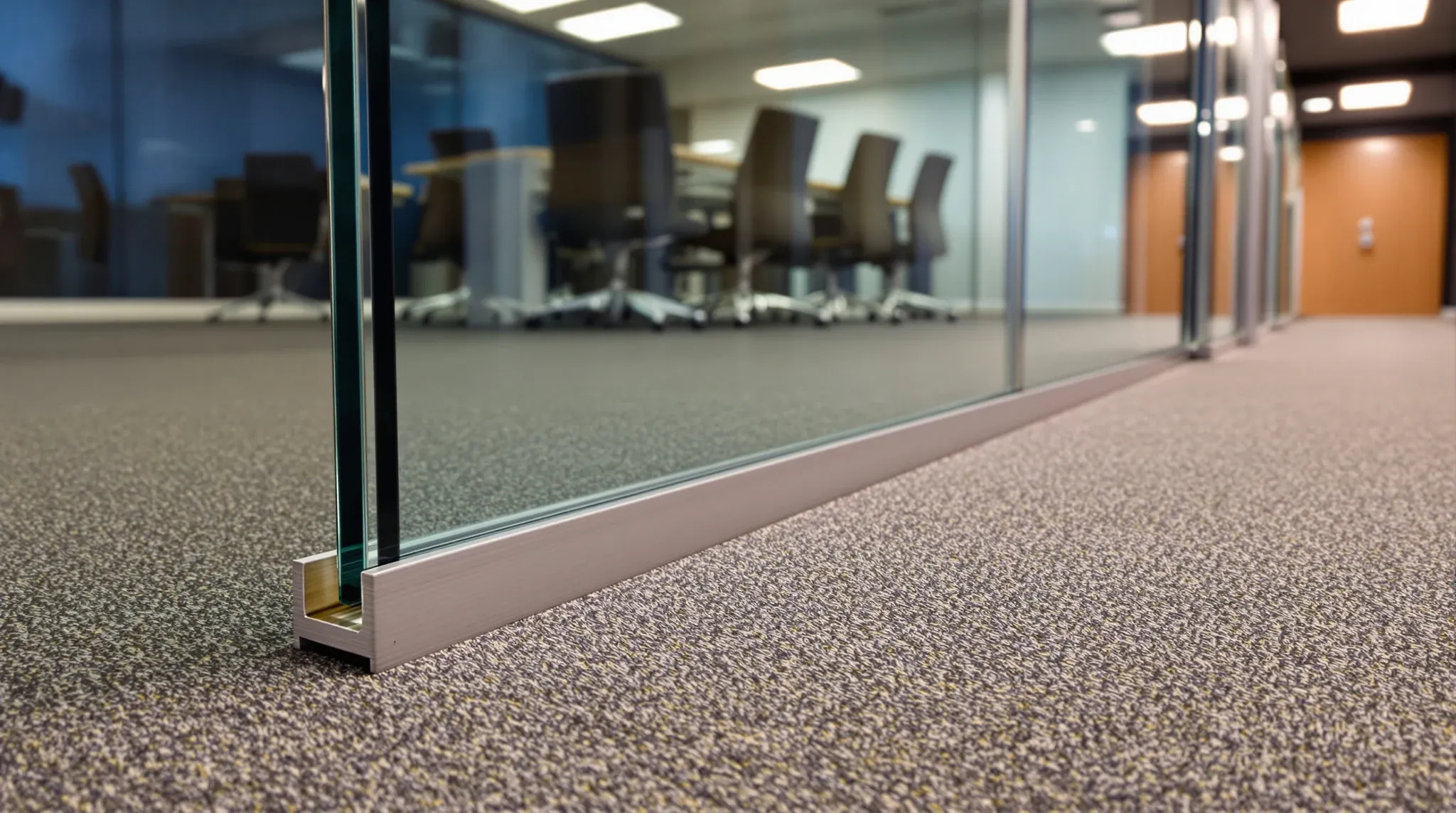
Glass partitions occupy an unusual position in the make good conversation. Unlike plasterboard walls, which are clearly tenant fitout and universally expected to be removed at lease end, glass partitions sometimes fall into a grey area. They can add value to a space in ways that other fitout elements do not, and in some cases landlords prefer to keep them rather than have them stripped out. But that is not always the case, and tenants who assume their glass will be welcomed by the next occupant can find themselves facing a removal obligation they did not budget for.
Understanding the obligations framework for glass partitions at lease end means understanding what the lease says, what the landlord expects, and how the specific glass system in the tenancy affects both the obligation and the cost of meeting it.
How Glass Partitions Sit Within Make Good Obligations
In most commercial leases, the make good clause treats all tenant improvements the same: if the tenant installed it, the tenant removes it. Glass partitions installed as part of a tenant fitout are tenant improvements, and the default position is that they form part of the defit scope. The obligation to remove them exists unless the lease specifically exempts them or the landlord agrees in writing to their retention.
Where glass differs from other fitout elements is in the perception of value. A plasterboard partition layout designed for one tenant’s team structure is rarely useful to the next tenant. Glass partitions, particularly high-quality frameless systems in good condition, are often seen as a feature that adds flexibility and light to the space. This perception creates room for negotiation, but it does not eliminate the underlying obligation. Until a written agreement is reached, the tenant should assume the glass needs to come out.
The legal position is important because it determines who holds the risk. A tenant who leaves glass in place without a formal agreement from the landlord may receive a claim for the cost of removal after handover, plus the landlord’s management fee. Understanding the relationship between glass installation and lease terms from the outset helps tenants plan for this eventuality rather than being surprised by it.
When Glass Must Be Removed and When It Can Stay
The decision about whether glass stays or goes at lease end depends on several factors, and the tenant does not always control the outcome. The starting point is the lease clause. If it requires removal of all tenant improvements without exception, the glass needs to come out unless the landlord agrees otherwise. If the clause contains exemptions for improvements that enhance the base building, there may be grounds to argue the glass qualifies.
The landlord’s plans for the space are usually the determining factor. If the landlord has a new tenant lined up who wants an open plan layout without glass offices, the glass needs to be removed regardless of its condition or quality. If the incoming tenant wants enclosed offices and the existing glass layout works for them, the landlord may agree to leave it in place, sometimes in exchange for a reduction in the make good scope elsewhere.
The condition of the glass also matters. A system that is scratched, chipped, has failed seals, or uses a discontinued hardware platform is less likely to be retained than one in good condition with readily available replacement parts. Glass that has been modified during the lease, for example by adding frosting film or branded graphics, may need to be restored to plain glass before retention is considered.
How Lease Clauses Treat Glass Differently from Other Fitout Elements
Most standard commercial leases do not specifically address glass partitions separately from other fitout elements. They fall within the general category of tenant improvements, alongside plasterboard, joinery, kitchen fitouts, and supplementary services. The distinction between glass and other elements arises not from the lease language but from the practical conversation between tenant and landlord as lease end approaches.
Some more sophisticated leases, particularly in premium buildings, include a schedule that categorises tenant improvements by type and specifies which must be removed and which may be negotiated. In these leases, glass partition systems may be listed alongside other items that the landlord has a specific position on, which provides clarity that a generic clause does not.
Where the lease is silent on glass specifically, the tenant’s position depends on the broader make good clause and on any correspondence with the landlord during the lease term. If the landlord approved the glass installation as part of a fitout approval process, that approval typically covers installation only, not retention. A separate conversation about retention at lease end is still required.
The Landlord’s Perspective on Glass at Lease End
Landlords assess glass partitions at lease end through a commercial lens. Their primary concern is how quickly and cheaply they can prepare the space for the next tenant. Glass that helps them do that is an asset. Glass that gets in the way is a liability.
Landlord and tenant priorities around partitions do not always align, and this tension is particularly visible at lease end. A tenant may value their glass boardroom and executive offices. The landlord may see a layout that only works for one type of business and limits the appeal of the space to the broader market.
From the landlord’s perspective, generic glass configurations tend to have the best retention prospects. A perimeter ring of glass offices around an open-plan centre, or a series of meeting rooms along a corridor, are layouts that work for many different businesses. Bespoke configurations designed around a specific team’s workflow are harder to retain because they may not suit anyone else.
The landlord will also consider the make good cost implication. If retaining the glass reduces the overall make good scope and saves the tenant money, the landlord may see an opportunity to negotiate a contribution or a faster handover timeline in exchange for agreeing to retention. These negotiations work best when both parties have time and accurate information about the costs involved.
What the Condition Report Means for Glass Obligations
The condition report prepared at the start of the lease is a critical document for glass obligations. If the premises were leased with glass partitions already in place as part of the base building or a previous tenant’s retained fitout, the condition report should reflect that. In this scenario, the current tenant may have no obligation to remove the glass at all, provided they return it in the condition recorded in the report.
If the premises were leased as open plan without glass, and the tenant installed glass during their occupancy, the condition report establishes a baseline that clearly does not include glass. The obligation to remove is straightforward, and the only question is whether the landlord is willing to negotiate retention.
Problems arise when the condition report is vague, missing, or does not specifically address the glass. In these situations, both parties may have different views about what the baseline is, and the resolution depends on the available evidence, including fitout approval documentation, correspondence during the lease, and the building’s history of tenancy configurations.
Negotiating Glass Retention with the Landlord
Tenants who want to avoid the cost of glass removal should begin the retention conversation early, ideally nine to twelve months before lease end. The conversation is more productive when the tenant can demonstrate that the glass is in good condition, that the layout has broad market appeal, and that retention benefits both parties.
A written scope assessment that shows the cost of removing the glass versus leaving it in place gives both parties a concrete basis for negotiation. If removal would cost $30,000 and the landlord’s alternative is to inherit a glass system worth $80,000 in re-use value, the commercial logic favours retention. But the tenant needs to present that case; the landlord is under no obligation to suggest it.
What landlords actually assess in fitout submissions gives an indication of the criteria they apply when evaluating whether tenant-installed elements have ongoing value. The same criteria tend to apply in reverse at lease end: quality of installation, compatibility with base building systems, and flexibility for future tenants.
How Glass Obligations Affect Make Good Budgets
Glass partition removal is one of the more expensive line items in a make good budget. The glass itself needs to be carefully removed and disposed of, the framing and hardware need to be extracted, and the floor, ceiling, and wall surfaces where the system was connected need to be restored. For a medium-sized tenancy with glass meeting rooms and offices, the glass-related make good cost can represent 25 to 40 per cent of the total budget.
This cost concentration is why glass retention negotiations are so commercially significant. If the landlord agrees to keep the glass, the tenant saves not just the removal cost but also the associated floor, ceiling, and surface restoration costs. The total saving can be substantial, and it is one of the highest-value negotiations available in a typical make good process.
For tenants planning a new fitout that includes glass partitions, the make good implication is worth considering at the design stage. Choosing a system with good resale or retention prospects, installing it in a configuration that has broad appeal, and maintaining it well throughout the lease all improve the chances of a negotiated retention that reduces the eventual make good cost.
If your lease end is approaching and glass partitions are part of the make good scope, we can assess whether retention is viable and help you negotiate the best outcome with your landlord.
Call us on 1300 60 93 93