
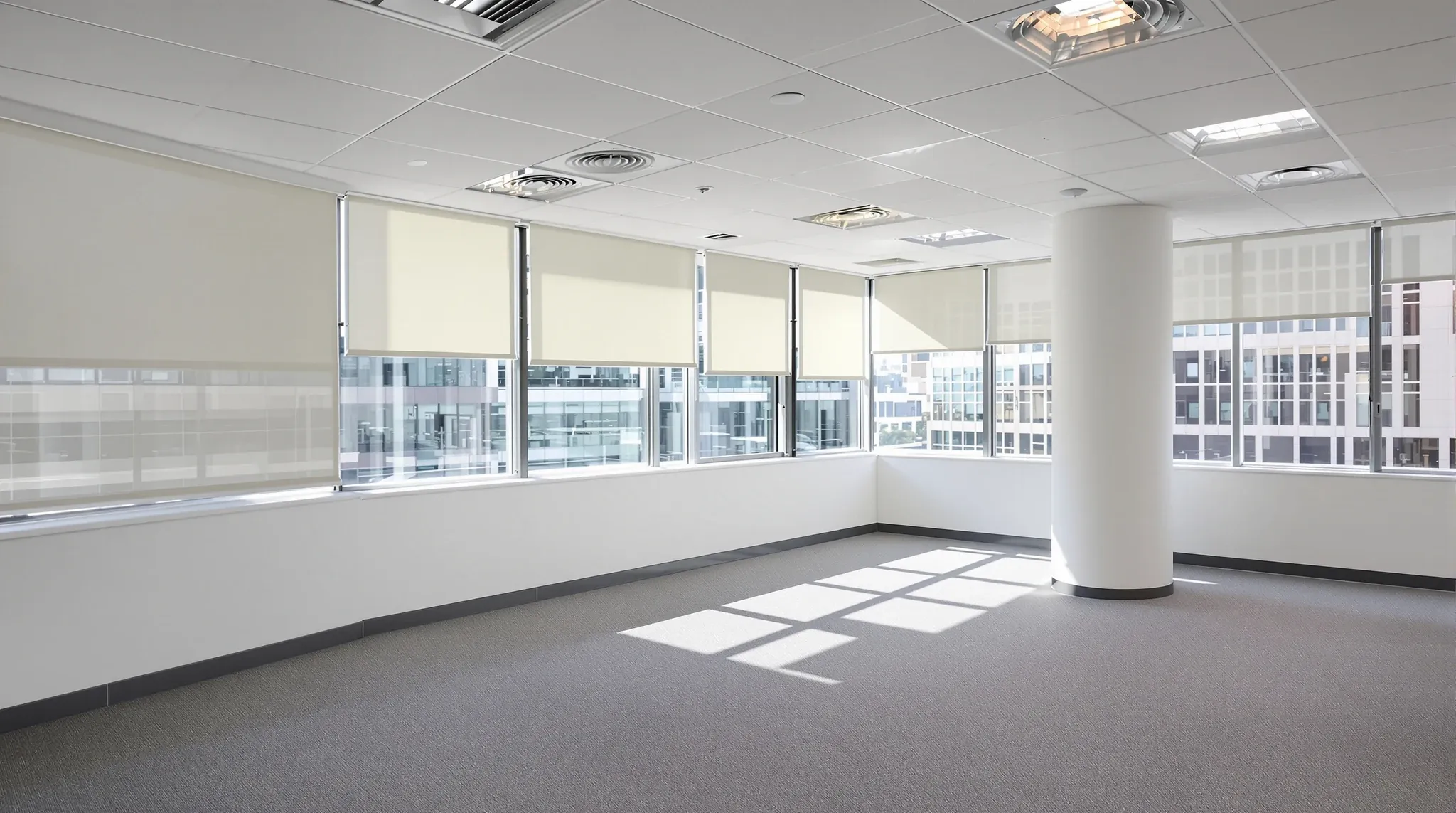
Make good obligations exist in every commercial lease, but the practical reality of what they require varies significantly depending on where in Sydney the tenancy sits, what kind of building it occupies, and what the landlord or managing agent expects at handover. A make good clause that reads identically in two leases can produce very different outcomes depending on whether the premises are in a premium CBD tower, a mid-tier North Sydney building, or a suburban office park in Parramatta or Macquarie Park.
For tenants exiting a Sydney commercial lease, the practical question is not just what the lease says but what the market expects. Landlord expectations, building management standards, and the competitive dynamics of different office precincts all influence how strictly make good obligations are enforced and what standard of reinstatement is considered acceptable.
Why Make Good Requirements Vary Across Sydney’s Commercial Market
Sydney’s commercial office market is not one market. It is a collection of distinct precincts, each with its own building stock, tenant profile, and landlord culture. The make good expectations in a recently built A-grade tower in Barangaroo bear little resemblance to those in a 1980s strata-titled building in Chatswood, even though both leases may contain similar reinstatement clauses.
The difference comes down to what the landlord needs to do with the space after the tenant leaves. In tightly held, high-demand precincts, landlords want a clean handover that allows the next tenant’s fitout to begin immediately. In buildings where vacancy rates are higher or where the landlord is more flexible, there may be room to negotiate a reduced make good scope, particularly if the outgoing fitout is in good condition and could suit the incoming tenant.
Understanding this dynamic is important because it affects how much a tenant should invest in the make good process. Over-spending on restoration in a building where the landlord plans to gut the floor for a major refurbishment is wasted money. Under-spending in a building where the landlord expects a pristine handover leads to disputes, retention of the bond, and potential claims.
How Building Age and Grade Shape Make Good Expectations
Sydney’s office stock spans several decades of construction, and the age and grade of a building directly affect what a make good involves. In newer premium and A-grade buildings, the base building finishes are typically high quality: polished concrete or raised access floors, modern ceiling grids with consistent tile patterns, and well-maintained services throughout. Restoring these finishes to their original condition requires precision, and the landlord’s expectations reflect the standard of the building.
In older B-grade and C-grade buildings, the base building condition may already include wear that predates the tenant’s occupancy. Ceiling grids may be discoloured or misaligned. Floor surfaces may have been patched or replaced inconsistently over multiple tenancies. In these buildings, the make good standard is often more practical than aspirational, and experienced tenants can negotiate a scope that reflects the building’s actual condition rather than an idealised baseline.
The distinction matters for cost. A make good in a premium building might require full ceiling tile replacement, professional floor preparation, and high-quality painting to match the building’s standard. Common issues in CBD buildings include tight access, restrictive working hours, and landlords with exacting standards. In a suburban building with more relaxed expectations, the same scope might be limited to a basic strip-out, patch and paint, and a standard clean.
CBD Versus Suburban: Different Standards, Different Costs
The Sydney CBD commands the highest office rents in the country, and the make good expectations reflect that. Tenants leaving CBD premises can expect landlords to enforce the make good clause strictly, with detailed inspections and limited tolerance for anything that falls short of the required standard. The cost of make good in the CBD is also higher because of restricted working hours, more expensive waste disposal, and the need to coordinate with building management teams that manage complex, multi-tenanted towers.
Suburban precincts operate differently. Office fitouts in Parramatta, for instance, tend to involve buildings with more flexible access, simpler building management structures, and landlords who may be more willing to negotiate the make good scope. The physical work may be similar in nature, but the process around it is often less constrained and the associated costs lower.
North Sydney, which sits somewhere between the CBD and true suburban markets, presents its own considerations. The building stock ranges from premium towers near the harbour to older commercial buildings further from the station. Tenants exiting North Sydney premises should expect make good standards that vary building by building, driven by the individual landlord’s plans for the space rather than a uniform precinct standard.
What Sydney Landlords Typically Expect at Handover
Regardless of location, most Sydney commercial landlords expect the premises to be returned with all tenant fitout elements removed, the space cleaned to a professional standard, and the base building finishes restored to reasonable condition. In practice, this means partition removal, ceiling tile replacement where tiles were cut or damaged, floor covering removal and surface preparation, decommissioning of tenant-installed services, and a final clean.
Where expectations tend to diverge is in the details. Some landlords require painting of all wall surfaces, even those that were not modified by the tenant. Others accept patch-and-paint in areas affected by the fitout only. Some require full carpet tile replacement across the tenancy, while others accept professional cleaning if the existing carpet is in serviceable condition.
The most effective way to manage these expectations is to engage with the landlord or managing agent early in the exit process, ideally six to twelve months before lease expiry. Getting the landlord aligned on what constitutes acceptable handover condition before work begins avoids the situation where the tenant completes the make good only to be told it does not meet the standard.
Common Make Good Oversights in the Sydney Market
The most frequent make good oversight is timing. Tenants who leave the defit and make good until the final weeks of the lease consistently spend more and deliver a lower-quality result than those who plan the exit from the beginning of the final year. In Sydney, where building management approval processes, contractor availability, and waste disposal logistics all add lead time, starting late compounds every other problem.
Another common oversight is failing to account for the condition report attached to the lease. That report, if it exists, establishes the baseline that the premises need to be returned to. Tenants who never reviewed it at the start of the lease are sometimes surprised to discover that the baseline includes elements they assumed were base building responsibility, such as specific ceiling tile patterns, particular paint colours, or a floor finish that has since been discontinued.
A third oversight involves services. Tenants frequently remove their visible fitout elements but leave behind electrical circuits, data cabling, and plumbing connections that were added during the fitout. Sydney office fitouts involve specific considerations around services decommissioning, particularly in older buildings where the existing services infrastructure is already at capacity and the landlord needs the tenant’s additions fully removed to make way for the next occupant.
How the Sydney Market Affects Defit and Make Good Timing
Sydney’s commercial leasing cycle creates seasonal patterns that affect defit and make good work. The end of financial year (June) and the end of calendar year (December) are both peak periods for lease expiries, which means greater demand for defit contractors, waste disposal services, and building management approvals during those windows. Tenants whose leases expire in these periods should begin planning even earlier than usual to secure contractor availability and building access.
The broader market conditions also matter. In a tight leasing market where landlords have incoming tenants lined up, the pressure to complete the make good on time is acute. Any delay creates a knock-on effect that costs the landlord rental income and may expose the outgoing tenant to claims beyond the standard make good scope. In a softer market, there may be more flexibility, and landlords may even agree to a licence period that extends the timeline for make good completion.
Understanding where the market sits at the time of exit helps tenants negotiate more effectively. A landlord who has no incoming tenant and faces a period of vacancy has a different incentive structure from one who has already signed a new lease and needs the space turned around quickly. Recognising which scenario applies, and adjusting the exit strategy accordingly, can materially affect the cost and complexity of the make good.
Getting Practical Advice Before the Clock Starts
The practical reality of make good in Sydney is that every building, every landlord, and every lease creates a slightly different set of requirements. Generic advice about what make good involves is useful as a starting point, but the real value lies in understanding the specific expectations for a particular tenancy in a particular building, and planning the exit accordingly.
A practical approach to commercial fitouts in Sydney recognises that the exit is part of the occupancy, not an afterthought that sits outside it. Tenants who treat the make good as a planned phase, engage with their landlord early, and scope the work properly almost always achieve a better result at a lower cost than those who leave it until the pressure of lease expiry forces their hand.
If you are exiting a Sydney commercial lease and want a clear picture of what the make good will involve for your specific building and lease, we can assess the scope and help you plan the timeline.
Call us on 1300 60 93 93