
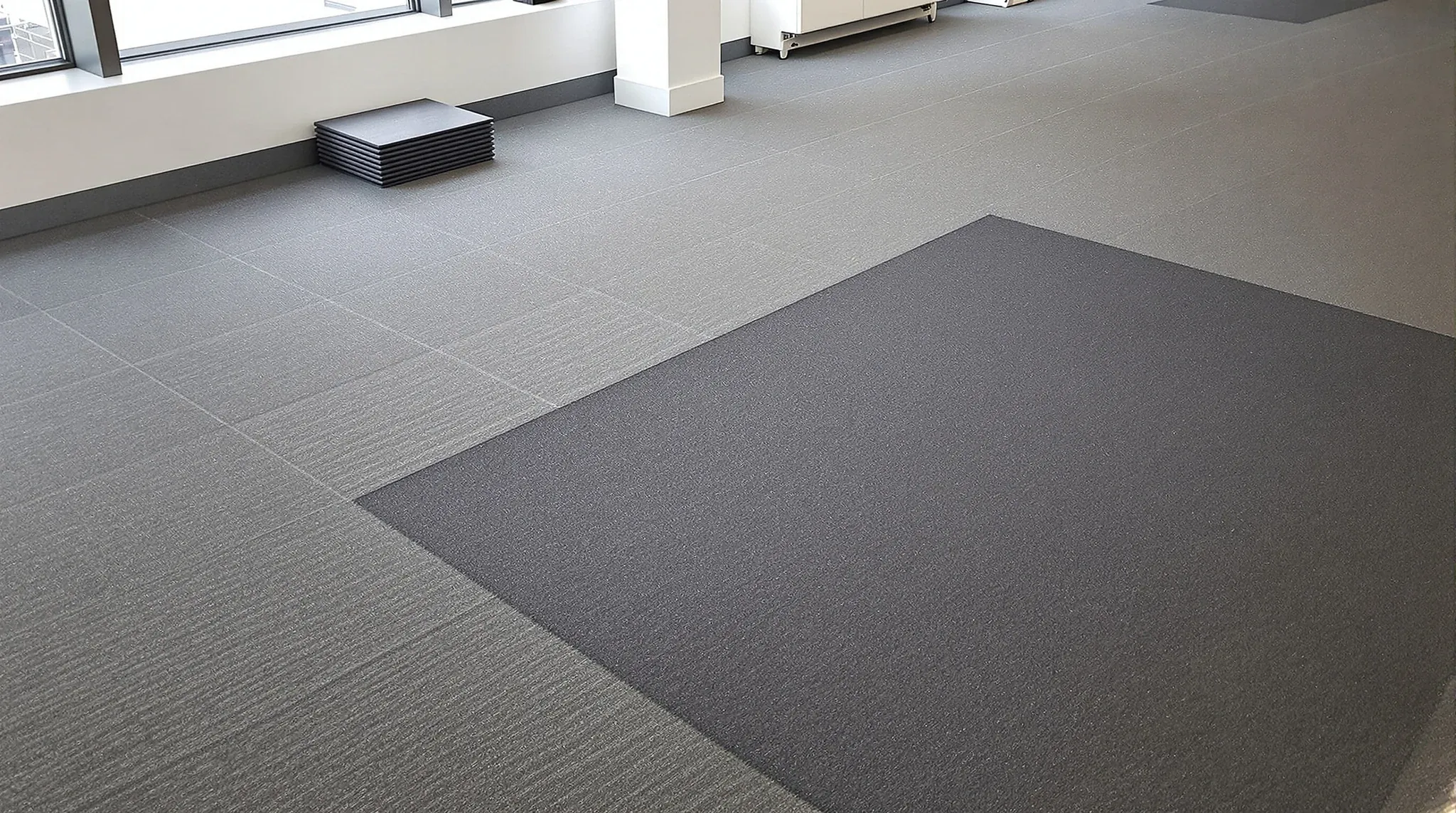
Carpet and flooring reinstatement at make good usually goes one of three ways. Full replacement is the right call when the lease specifies it, when the existing carpet is materially worse than the recorded condition at lease commencement, or when the landlord has signalled that the next tenant will be marketed against a refreshed floor. Patching wins when the damage is localised, the carpet pattern and dye lot is still available or can be passably matched, and the rest of the floor is reasonably intact. Leaving the floor as-is is acceptable only when the lease and the condition report explicitly allow it and the carpet is genuinely within fair wear and tear.
Most Sydney tenants approach the carpet decision late, treat it as a single binary, and end up paying for a full replacement they could have negotiated out of, or accepting a patch the landlord then rejects at handover. The honest read of the lease, the condition report and the actual floor on the day decides which of the three calls is yours to make.
What Fair Wear And Tear Actually Means for Carpet
The phrase appears in almost every commercial lease in NSW and is read more loosely than the lease usually intends. Fair wear and tear covers gradual deterioration that would occur from normal use over the lease term: light traffic-lane fade in main circulation, slight pile crush under chair zones, minor staining that has been kept clean. It does not usually cover indentations from heavy furniture left in one place for years, persistent stains the cleaning regime did not remove, cuts and tears around partition lines, or damage from spills that were not properly treated.
The line between fair wear and damage is read against the condition report. A condition report that documents a five-year-old carpet at lease commencement sets the baseline against which the current state is compared. If the floor has aged at the rate that carpet of that grade and traffic intensity normally ages, the difference is fair wear. If the floor shows damage beyond that, the difference is not.
The practical implication is that fair wear is a function of the original specification and the lease term. A premium broadloom in a low-traffic boutique tenancy on a three-year lease has very little wear that would qualify. A standard contract carpet tile in a high-traffic open-plan office on a ten-year lease can show considerable wear and still sit inside what most landlords will accept. Reading these dimensions before the make good conversation begins changes which scope is realistic.
When Patching Wins
Patching is the right call in three specific situations. The first is localised damage in an otherwise sound floor: a defined zone where partitions sat for the full lease, leaving impressions and a colour line, or a coffee-station area with persistent staining that did not respond to cleaning. If the rest of the floor is in fair condition and the damage zone is small enough to replace with matching tiles, the patch is cheaper, faster and less disruptive than a full replacement.
The second is when the carpet was originally specified in tile rather than broadloom format. Tile carpets are designed to be replaced in panels, and most contract carpet ranges hold stock of common tile patterns for several years after the original installation. A floor with a few hundred damaged tiles inside a five-thousand tile floor can usually be brought back to acceptable condition with a tile-by-tile replacement, provided the colour and pattern are still available.
The third is when the landlord’s expectation is condition-relative rather than full-replacement. Some landlords, particularly in older B-grade and C-grade buildings, accept patched make good carpets where the floor is consistent in appearance and serviceable for the next tenant. The condition report and the make good clause language tell you whether your landlord is in that group or not, and an early conversation with the building manager often confirms it before the scope is committed.
When Full Replacement Is The Only Safe Call
Full replacement is the safe answer when the lease specifies it. Make good clauses that require the tenant to “replace” or “renew” the floor coverings, or to return the floor “in new condition” or “to base building specification with new carpet”, leave very little room for patching. Reading the actual clause language before the conversation begins is essential because verbal landlord assurances do not override the written obligation.
Replacement is also the realistic call when the existing carpet is no longer manufactured and a sufficient match cannot be sourced. Carpet ranges turn over every few years, dye lots vary even within the same range, and a patch that does not match reads worse than no patch at all. If the carpet is more than five or six years old and was originally a tile range that has since been discontinued, patching is rarely a clean answer.
The third trigger is broadloom carpet in a high-visibility area. Broadloom is laid in continuous sheets and seamed, and any patch into broadloom shows as a seam that the next tenant will see. In a reception, executive office or main corridor, the visual hit from a patched broadloom often forces a full replacement of that zone regardless of the lease language, because the landlord will reject the patch on appearance grounds.
When Leaving The Floor As-Is Is Acceptable
The third option is the most contested and the one where tenants overspend most often. Leaving the floor as-is at make good is acceptable when three conditions all hold. The lease has to allow the floor to be returned in fair condition rather than mandate replacement. The condition report has to either be silent on carpet condition or document it at a level reasonably comparable to the current state. And the actual floor has to genuinely be within fair wear and tear, not damaged.
Some commercial leases, particularly older ones drafted before make good language tightened, simply require the floor to be cleaned and returned in fair condition. If your lease is in that category and the floor is not damaged, the landlord’s right to demand replacement is limited and a clean handover with a professional carpet clean is often acceptable.
Leaving as-is is not a fall-back for “we did not budget for replacement”. It is a defensible answer only when the lease language and the floor condition both support it. Tenants who try to leave a damaged floor as-is and rely on the landlord not noticing usually have the issue raised at the inspection and end up paying for replacement plus the inspection delay, which is the most expensive outcome.
Vinyl, Polished Concrete And Timber Floors
Carpet is the most common Sydney commercial flooring and the most common make good question, but the same logic applies to other floor types with their own twists. Vinyl in kitchens, breakout zones and end-of-trip facilities tends to be more durable than carpet but harder to patch, because cuts and tears in sheet vinyl can rarely be repaired invisibly. The make good question for vinyl is usually replace or accept, not patch.
Polished concrete is increasingly common in tech and creative tenancies and almost never gets replaced at make good. Concrete cracks, surface damage from heavy equipment, or significant staining from chemicals or solvents are usually addressed with grinding and re-polishing rather than slab replacement, and the cost is on a different scale to carpet replacement. The lease language for polished concrete is often vague because the material was not common when many leases were drafted, and an early conversation with the landlord clarifies what is expected.
Engineered timber and bamboo floors in premium executive zones tend to be sanded and re-finished rather than replaced where damage is limited to the surface layer. Where the damage has gone through the wear layer to the substrate, replacement of the affected boards is usually the only option, and matching grain and colour to the original installation can be difficult on older floors.
Cost Ranges And Timing Realities
Carpet patching in a Sydney commercial office typically lands at one to two thousand dollars per zone for small areas, up to ten or fifteen thousand dollars for larger patched zones, depending on tile availability, labour access and the number of seam transitions. The work itself takes a day or two on site, but sourcing matching tiles from a discontinued range or arranging a custom dye lot can add two to six weeks of lead time, which often does not fit inside a make good programme that started too late.
Full replacement of a typical Sydney commercial floor of three hundred to five hundred square metres runs in the order of fifteen to forty thousand dollars supplied and laid, depending on the carpet specification, the underlay if any, and the complexity of partition lines and immovable elements that have to be cut around. The work takes three to seven working days on a clear floor, and the floor needs to be empty of furniture and fitout elements before it begins.
Leaving as-is plus a professional clean costs in the order of one to three thousand dollars for a typical floor and takes one to two days. The cost difference between as-is and replacement is the largest commercial driver of the carpet decision, and reading the lease and condition report carefully enough to know which scope is actually required is one of the highest-value pieces of make good due diligence a tenant can do.
How To Negotiate The Carpet Scope Before The Lease Ends
The most useful conversation to have on flooring is well before the lease expiry date. Six to twelve months out, with the condition report and the lease language in hand, an honest assessment of the floor’s actual state often allows the carpet scope to be agreed in principle with the building manager. This pre-agreement does not bind the formal make good inspection, but it usually shapes it, and it lets the tenant scope and budget the work realistically.
Where there is genuine ambiguity about whether the floor is within fair wear, an independent carpet condition assessment from a flooring specialist often clarifies the question. This is a commercial document, not a legal one, and it sits alongside the lease and the condition report when the make good is scoped. Landlords generally accept independent assessments where they are produced by recognised flooring specialists.
If the lease was negotiated more than five years ago and the carpet is now ageing, raising the carpet question during any lease negotiation, extension or surrender discussion is also worth doing. Carpet replacement obligations are sometimes negotiable as part of a wider deal, particularly where the landlord wants the existing tenant to extend rather than face a vacant floor and a re-letting cost. Approaching the question commercially rather than as a fixed obligation often delivers a better outcome than waiting for the inspection.
If you are working through the carpet and flooring scope on a Sydney commercial defit and make good, we can read the lease language with you, walk the floor, and tell you which of replace, patch or leave-as-is the lease and the condition genuinely warrant before the inspection forces the answer.
📞 Call us on 1300 60 93 93