
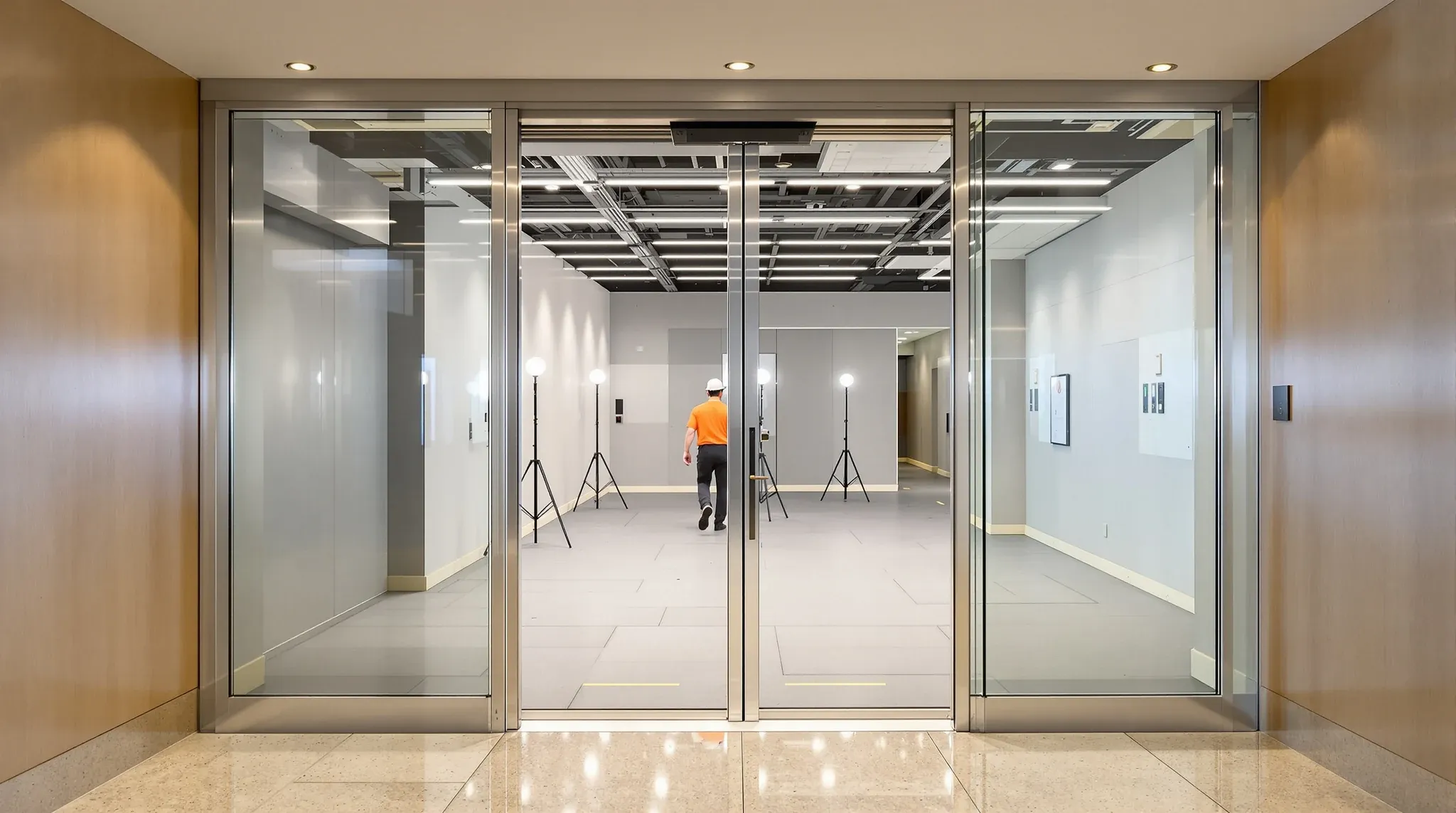
For tenants who have not been through the fitout process before, the engagement with a fitout company can feel unfamiliar and somewhat opaque. Knowing what to expect at each stage, what the company will ask of you, what you should ask of them, and how the working relationship typically unfolds, removes much of the uncertainty and helps tenants engage more effectively from the first conversation through to handover.
This article describes the client experience of working with an office fitout company, covering what happens at each stage and what you should expect from a company that is managing the process well.
The Initial Conversation
The engagement typically begins with a conversation about the project. The fitout company will want to understand the basics: the location and size of the space, the number of people, the type of business, the budget range, and the timeline. This conversation is usually exploratory rather than committal, and it helps both parties assess whether there is a good fit before any formal engagement begins.
A good fitout company will ask thoughtful questions during this conversation, not just about the physical requirements but about the business context. What does the business do? How does the team work? What has not worked about the current space? What impression does the office need to make? These questions indicate a company that designs for the business rather than applying a generic layout.
At this stage, the company may provide an indicative cost range based on the information available. This is not a quote but a preliminary indication to help the tenant assess whether the project is feasible within the available budget. If the indication and the budget are broadly aligned, the next step is typically a site visit.
The Site Visit and Initial Assessment
The site visit is where the fitout company assesses the base building condition and identifies the constraints and opportunities that will shape the design and the cost. A thorough site visit includes assessing the ceiling void depth, the mechanical and electrical capacity, the fire system configuration, the structural grid, and any existing fitout elements that need to be demolished or retained.
Tenants should expect the company to spend time on the site visit and to ask detailed questions about the building’s services and the landlord’s requirements. A company that spends five minutes walking through the space and then produces a price is not conducting a proper assessment. The quality of the site assessment directly affects the accuracy of the initial pricing and the reliability of the design that follows.
After the site visit, the company will typically provide a more informed cost indication or a preliminary proposal that outlines the anticipated scope, the expected programme, and an indicative budget. This is the point at which the tenant decides whether to proceed with the company and enter into a formal design engagement.
The Design Phase
Once formally engaged, the fitout company begins the design process. This typically starts with a detailed briefing session where the company gathers all the information needed to produce the initial concept design. The tenant should expect to discuss headcount, room requirements, functional priorities, aesthetic preferences, technology needs, and budget constraints in detail.
The concept design, usually delivered within one to two weeks of the briefing, presents the spatial layout and general approach. Tenants should expect to review two or three layout options that respond to the brief in different ways. The concept review is a collaborative discussion, and the company should explain the reasoning behind each option, the trade-offs involved, and the cost implications of different approaches.
Following concept approval, the design moves into developed design and then construction documentation. During this phase, the company will present material and finish selections, coordinate the services design, and produce the detailed drawings and specifications needed for pricing and construction. Tenants should expect regular check-ins during this phase and should be prepared to make decisions about finishes, fixtures, and any scope adjustments promptly. A complete fitout engagement handles all of this under one roof, simplifying the tenant’s involvement.
Quoting and Contract
Once the design is sufficiently developed, the company provides a formal quote. In a design-and-construct model, this quote is typically based on the detailed design produced in-house, which means the inclusions, exclusions, and assumptions are well defined. Tenants should expect a detailed breakdown of the cost by category, a clear statement of what is included and excluded, and a programme showing the expected duration.
The contract formalises the agreement and should specify the scope of work, the price, the payment schedule, the programme, the variation process, the defect liability period, and the dispute resolution mechanism. Tenants should read the contract carefully and ask questions about any terms they do not understand. A good fitout company will explain the contract terms in plain language and will not pressure the tenant to sign without proper review.
The Approval Process
Before construction begins, the design must be approved by the landlord and, in many cases, certified by a building certifier. The fitout company typically manages this process, preparing the submission documentation, lodging it with the building management team, and responding to any conditions or requests for additional information.
Tenants should expect the approval process to take two to four weeks, though it can be longer for complex projects or demanding building management teams. The company should keep the tenant informed of the approval status and flag any conditions that affect the design, cost, or programme. Delays at this stage are common, and a good company will have factored a realistic approval period into the programme rather than assuming instant approval.
During Construction
Once construction begins, the tenant’s involvement shifts from decision-making to oversight. Tenants should expect regular progress updates, typically weekly or fortnightly, through site meetings, progress reports, or both. The company should proactively communicate any issues that arise, present variations with clear cost and programme implications, and seek approval before proceeding with any changes to the agreed scope.
The construction site will look messy and chaotic at certain stages, and this is normal. The early stages of demolition and rough-in are visually unimpressive. The space begins to take shape during the partitioning and ceiling phase, and the finishing phase is where the design intent becomes visible. Tenants who visit the site during construction should expect to see work in progress, not a finished product, and should direct any questions or concerns through the project manager rather than to individual trades on site.
Tenants should also expect to be asked for decisions during construction, particularly on details that were not fully resolved during the design phase. These might include the exact position of a power point, the selection of a door handle finish, or the approval of a joinery sample. Responding to these requests promptly keeps the programme on track and avoids delays that cascade through the finishing trades.
Handover and Defect Rectification
At practical completion, the fitout company will conduct an internal inspection and then invite the tenant to inspect the finished space. The tenant should walk through every room, check every surface, test every door, and verify that all fixtures and fittings are installed and functioning. Any defects should be documented and provided to the company for rectification.
Most defects at practical completion are minor: paint touch-ups, hardware adjustments, cleaning marks, or minor alignment issues. The company should rectify these within the agreed timeframe, typically within two to four weeks of practical completion. Tenants should expect a follow-up visit from the company after the defect rectification to confirm all items have been addressed.
The defect liability period, typically twelve months, provides ongoing protection. Any issues that emerge during this period should be reported to the fitout company for assessment and rectification. A good company will be responsive during the defect liability period and will treat post-handover support as part of the service rather than an inconvenience.
What Good Engagement Feels Like
The overall experience of working with a good fitout company should feel collaborative, transparent, and well-managed. Communication should be clear and consistent. Decisions should be supported by information rather than pressure. The programme should be realistic and updated as conditions change. And the finished space should reflect the brief, the design, and the investment that the tenant committed to.
Tenants who have a positive fitout experience typically describe it as a process where they felt informed, where their input was valued, where surprises were minimal, and where the finished product met or exceeded their expectations. That experience does not happen by accident. It is the result of a fitout company that invests in understanding the business, plans the project thoroughly, communicates proactively, and takes pride in the quality of the delivered space.
If you are about to start working with a fitout company and want to know what the process looks like from your side, Complete Office Fitouts can walk you through every stage and make sure you know what to expect before you commit.
Call us on 1300 60 93 93